A $9.6 Billion Seahawks and Asia's Rush Into Sport Signal a New Asset Class
The record NFL sale of the Seattle Seahawks and a twelvefold surge in Asian sports dealmaking point to the same conclusion: attention has become one of the world's most durable forms of capital.

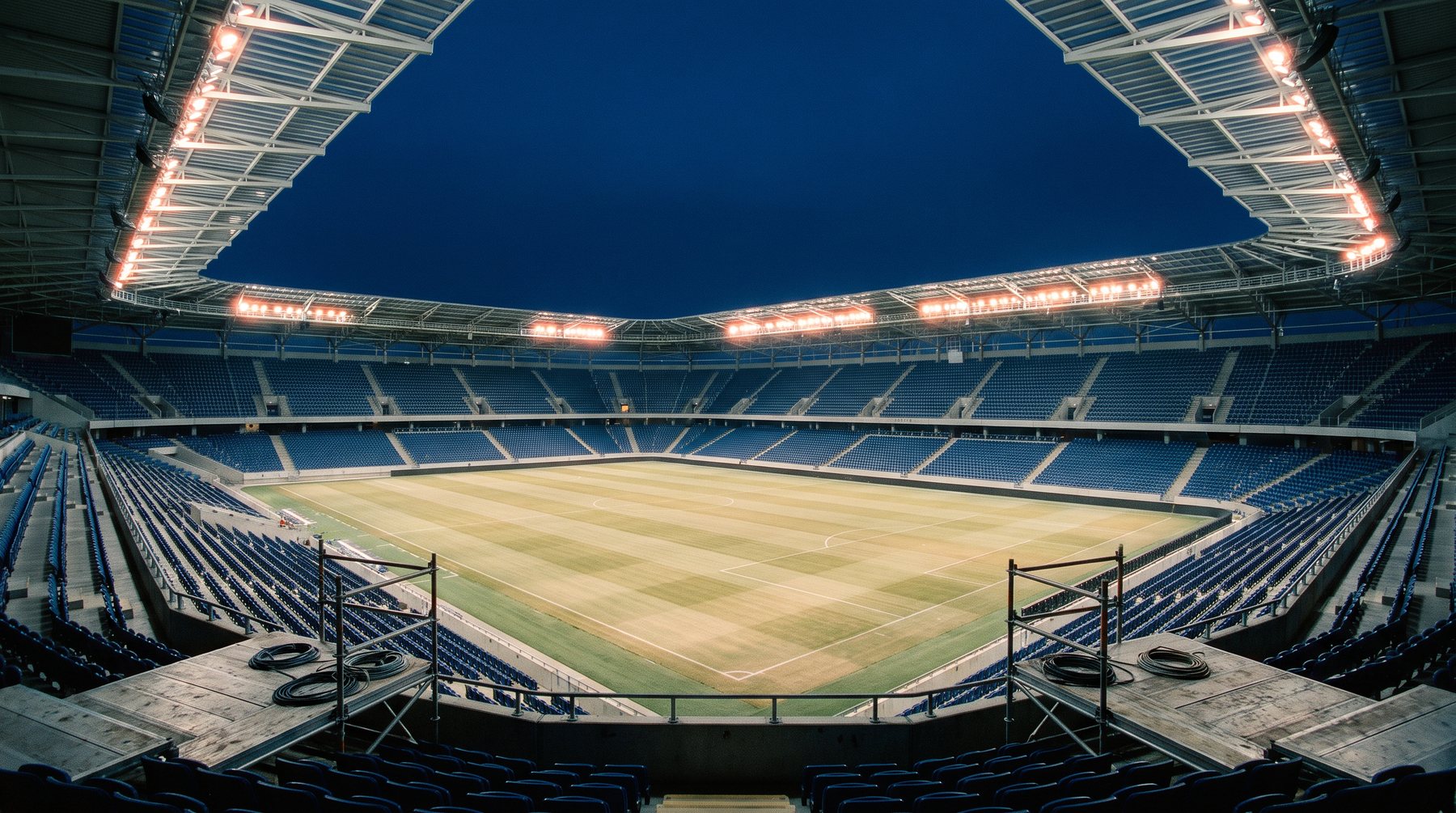
The economics of sport have entered rarefied air. Sportico, ESPN and USA Today reported that the estate of the late Microsoft co-founder Paul Allen agreed to sell the defending Super Bowl champion Seattle Seahawks to an ownership group led by Silicon Valley venture capitalist Vinod Khosla for a reported $9.612 billion, a record for an NFL franchise and, per Wire Report, the second-largest sports-team sale ever behind the Los Angeles Lakers' $10 billion.
The premium is staggering by any conventional yardstick. As USA Today and the Philadelphia outlet noted, the agreed price is nearly 46% above Sportico's $6.59 billion valuation of the club and more than 50% above the previous NFL record, the $6.05 billion paid for the Washington Commanders in 2023.
Records are made to be tested, and not every ticket to this boom will pay out.
From the analysisThe same gravitational pull is reshaping capital flows in Asia. Reuters reported that Asia-Pacific sports-related mergers and acquisitions reached $3.69 billion in the year to July 13, the highest in LSEG records dating to 1980 and more than twelve times the level a year earlier, even as global sports M&A stayed broadly flat at $8.34 billion.
Investors are increasingly explicit about why. Citigroup's global head of sports advisory, John Hutcheson, told Reuters that institutional buyers view sport as resilient, 'AI proof' and less correlated with broader markets, adding that Citi 'has gotten more inbounds from institutional capital in Asia recently' that it was not receiving 'even a year ago'.
The underlying commodity is attention itself. Reuters cited Singapore businessman Kiat Lim, who controls Spain's Valencia CF, describing the logic plainly: 'Attention is a currency. With more people watching, broadcasters are willing to pay more for the rights, and as the value of those rights increases, that ultimately trickles down to the teams.' EnTrust Global's Sophia Park Mullen described Asian sports investing as 'evolving from trophy acquisitions by a handful of billionaires into a more strategic, institutional asset class'.
For a publication that champions a freer, richer West, this is capitalism at its most joyful. Franchises that were once vanity trophies are now productive assets, priced on global audiences and media rights, and the capital chasing them is broadening from lone billionaires to disciplined institutions.
The steelman caution deserves airing. Ares Management's Mark Affolter warned Reuters of a 'sports halo that's cast wide across the entire industry', arguing that treating every league and sports-tech startup as a safe bet 'is a mistake'. Records are made to be tested, and not every ticket to this boom will pay out.
The Semaform
The Seattle Seahawks agreed to sell for a record $9.612 billion, while Asia-Pacific sports M&A surged to a record $3.69 billion in the year to July 13, more than twelve times the prior year.
Sport has matured from billionaire trophy into a globally priced, institution-grade asset class, and that is free markets working: audiences, media rights and open capital flows turning cultural passion into productive investment. The broadening of ownership from lone magnates to disciplined funds is a healthy sign of a deepening, more transparent market.
Prudent voices, including Ares Management, warn of a 'sports halo' inflating valuations across leagues and sports-tech alike; record prices and record dealmaking can equally signal late-cycle exuberance, and not every entrant will earn a return.
A human editor is accountable for this analysis. Read our editorial standards, how we use AI, what the content labels mean, and how to ask for a correction.