Australia's Housing Downturn Is Spreading Across the Map
New data show dwelling approvals fell 3.6 per cent in July while Cotality recorded a fifth consecutive monthly fall in home values. The squeeze is reaching buyers, builders and households at once.

Australia's housing correction is broadening. Cotality's national Home Value Index fell 0.9 per cent in August, its fifth consecutive monthly decline, leaving national values 3.6 per cent below the March peak. Through winter, 93 per cent of capital city suburbs recorded a fall in value.
Sydney is carrying the heaviest load. Values fell 1.4 per cent in August and are 7.1 per cent below their February peak. Melbourne and Canberra fell 1.1 per cent, Brisbane 1 per cent, and Adelaide and Perth 0.8 per cent. Cotality estimates that sales volumes are 15.5 per cent below a year ago and 11.5 per cent below the five year average.
It becomes relief for families only when more homes reach the market and the cost of producing them falls.
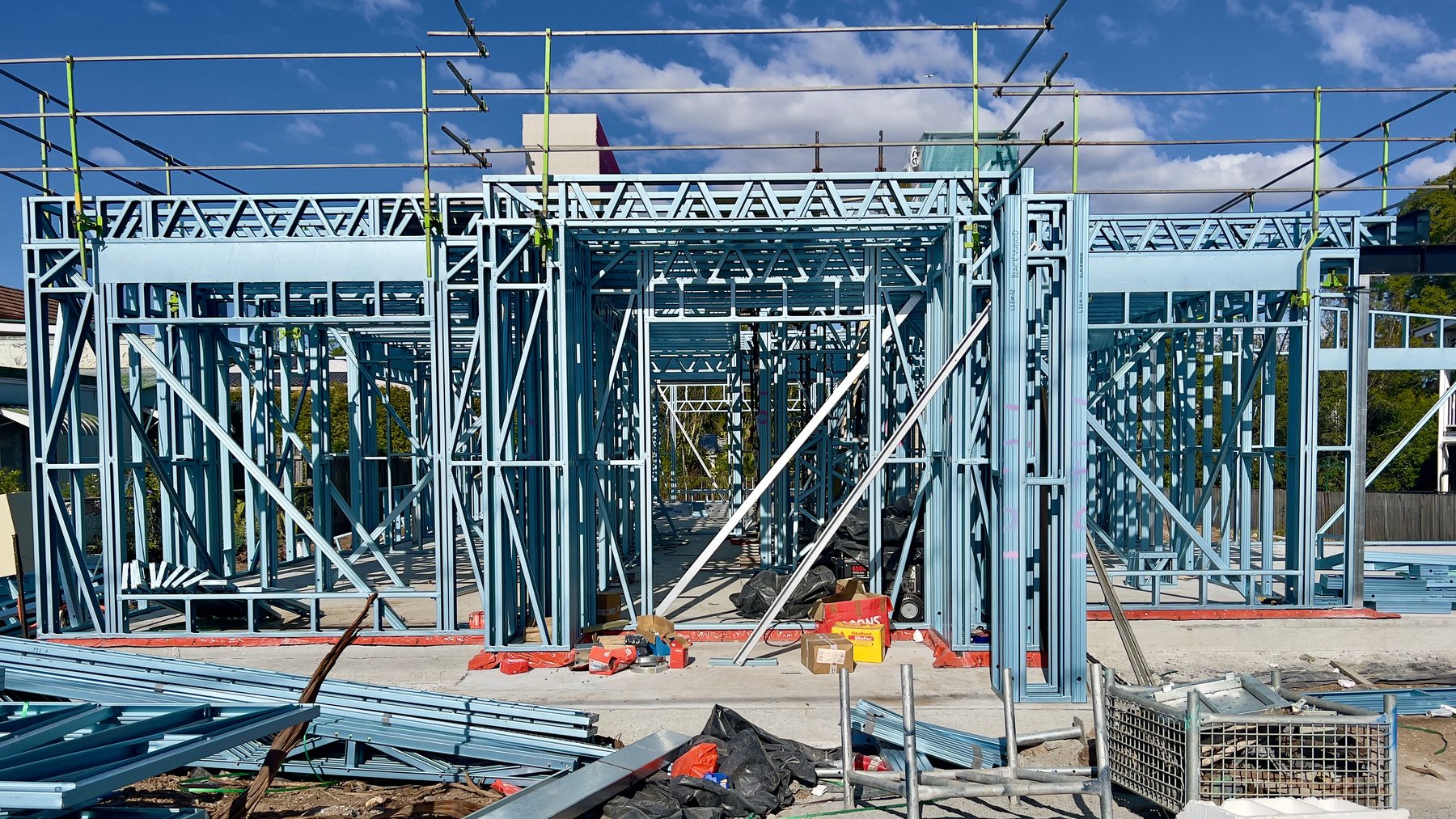
From the analysisThe supply response is losing momentum just as demand weakens. The Australian Bureau of Statistics reported on 1 September that seasonally adjusted dwelling approvals fell 3.6 per cent in July to 17,687. Private sector house approvals fell 4.2 per cent to 10,199, while the value of residential building fell 4.9 per cent to $11.26 billion. Approvals remain 9 per cent above a year earlier, but the monthly fall is a warning for a market that still needs more homes.
Higher borrowing costs and Canberra's housing tax changes are both part of the adjustment. The Reserve Bank has raised rates three times this year, and the government has restricted negative gearing and changed capital gains tax settings. ABC reporting on the Cotality release says the combination is weighing on demand, with the largest declines appearing where prices and debt have run furthest.
That is the awkward arithmetic of housing policy. Australia is trying to make homes more affordable by cooling the buyers who compete for them, while the builders who can add supply face higher finance costs, weaker presales and a tax regime that keeps changing. A cheaper auction result helps only if a household can still obtain a mortgage and a builder can still make a project stack up.
The constructive answer is supply that can respond. Planning approvals should be faster and more predictable. Local infrastructure should be funded where it unlocks homes rather than where it flatters a minister's announcement. Tax rules should reward new construction and then stay put long enough for capital to work. Reliable, affordable energy would lower the cost of building and living in every suburb.
A national fall in prices can look like relief on a chart. It becomes relief for families only when more homes reach the market and the cost of producing them falls. Australia's fifth monthly decline is a signal to remove the barriers to building, before a correction in prices turns into a correction in supply as well.
The Semaform
Cotality reported a fifth consecutive monthly fall in national home values in August, while the ABS recorded a monthly fall in dwelling approvals in July.
Australia should use the correction to remove barriers to new construction. Faster planning, infrastructure that unlocks land, stable tax rules and cheaper energy would do more for affordability than another demand subsidy.
Cooling demand may be necessary to restore price stability, and tax changes can redirect capital toward new homes. The risk is that higher financing costs and policy uncertainty reduce construction before supply has caught up.
Sources
- Cotality, Capital city suburbs record winter value falls, 1 September 2026
- Australian Bureau of Statistics, Building Approvals, Australia, July 2026
- ABC News, Property downturn spreads to 93pc of suburbs in Australia's capital cities, 1 September 2026
- Reuters, Australia's home prices extend declines as downturn deepens, 31 August 2026
A human editor is accountable for this analysis. Read our editorial standards, how we use AI, what the content labels mean, and how to ask for a correction.