Australia's Housing Tax Experiment Is Hitting the Mortgage Pipeline
Westpac says mortgage applications have fallen 20 per cent after Canberra's housing tax changes. The policy may redirect capital toward new homes, but Australia still has to build them.

Westpac's third-quarter investor discussion pack shows a 20 per cent fall in the post-budget run rate for average monthly mortgage applications. The comparison covers the period from 15 May to 31 July, and the bank says applications have moderated.
The same presentation forecasts total housing credit growth easing from 6.8 per cent in FY26 to 4.7 per cent in FY27, before recovering to 5.2 per cent in FY28. Investor credit growth is forecast to fall from 9.1 per cent to 4.5 per cent, then 4.4 per cent. Reuters reports that Westpac's latest figures made its shares fall as much as 5.9 per cent and that other major banks also declined.
Australia should judge the experiment by homes completed, rents paid and first-home buyers who can actually enter the market.
From the analysisThe timing matters. Canberra's 2026 budget will limit negative gearing on residential property to new builds from 1 July 2027, replace the 50 per cent capital gains tax discount with cost-base indexation and introduce a 30 per cent minimum tax on real capital gains. Existing investments receive transitional protection, while new housing keeps the more favourable treatment.
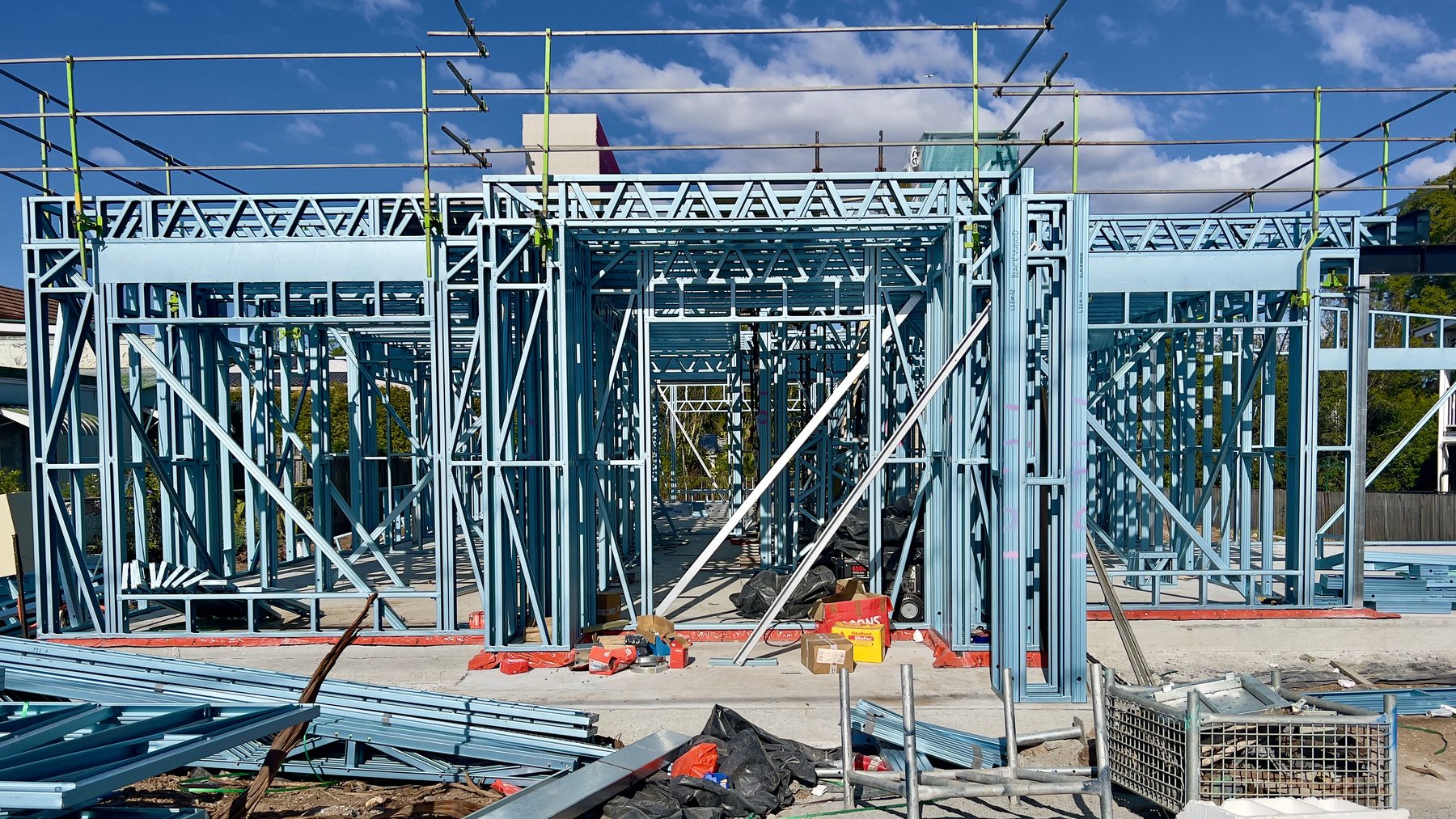
The policy has a coherent aim: move investment toward additional homes rather than bidding up the existing stock. Yet a weaker mortgage pipeline is an immediate cost for lenders, brokers, sellers and the trades that depend on transactions. Tax reform can change incentives, but it cannot pour a slab, approve a subdivision or connect a new street to the grid.
Westpac's own data also shows why supply deserves the next chapter. Investment property loans made up 32.6 per cent of its mortgage portfolio at June 2026 and 39.0 per cent of new mortgages settled in the quarter. The bank says population growth and Australia's housing undersupply should partly offset the effect of higher rates and policy changes, but that is a forecast, not a building programme.
Australia should judge the experiment by homes completed, rents paid and first-home buyers who can actually enter the market. If Canberra wants the tax changes to work, it should pair them with faster planning approvals, cheaper infrastructure connections and more construction. Redirecting capital is useful. Creating more places to live is the result that matters.
The Semaform
Westpac's 3Q26 investor discussion pack shows a 20 per cent post-budget fall in average monthly mortgage applications and forecasts slower housing credit growth in FY27.
Tax reform can redirect investment toward new housing, but the decisive test is construction. Faster approvals, infrastructure connections and private building are needed if a weaker investor pipeline is to produce more homes rather than less activity.
Critics can argue that changing investor tax treatment may reduce rental supply or increase rents before new construction responds, particularly while borrowing costs and building costs remain high.
Sources
A human editor is accountable for this analysis. Read our editorial standards, how we use AI, what the content labels mean, and how to ask for a correction.