Australia's RBA Pause Leaves a Live Rate Rise Risk
Minutes from the Reserve Bank's August meeting show a serious debate over another increase. The unanimous hold buys households time, while inflation, energy and data centre investment keep the next decision open.

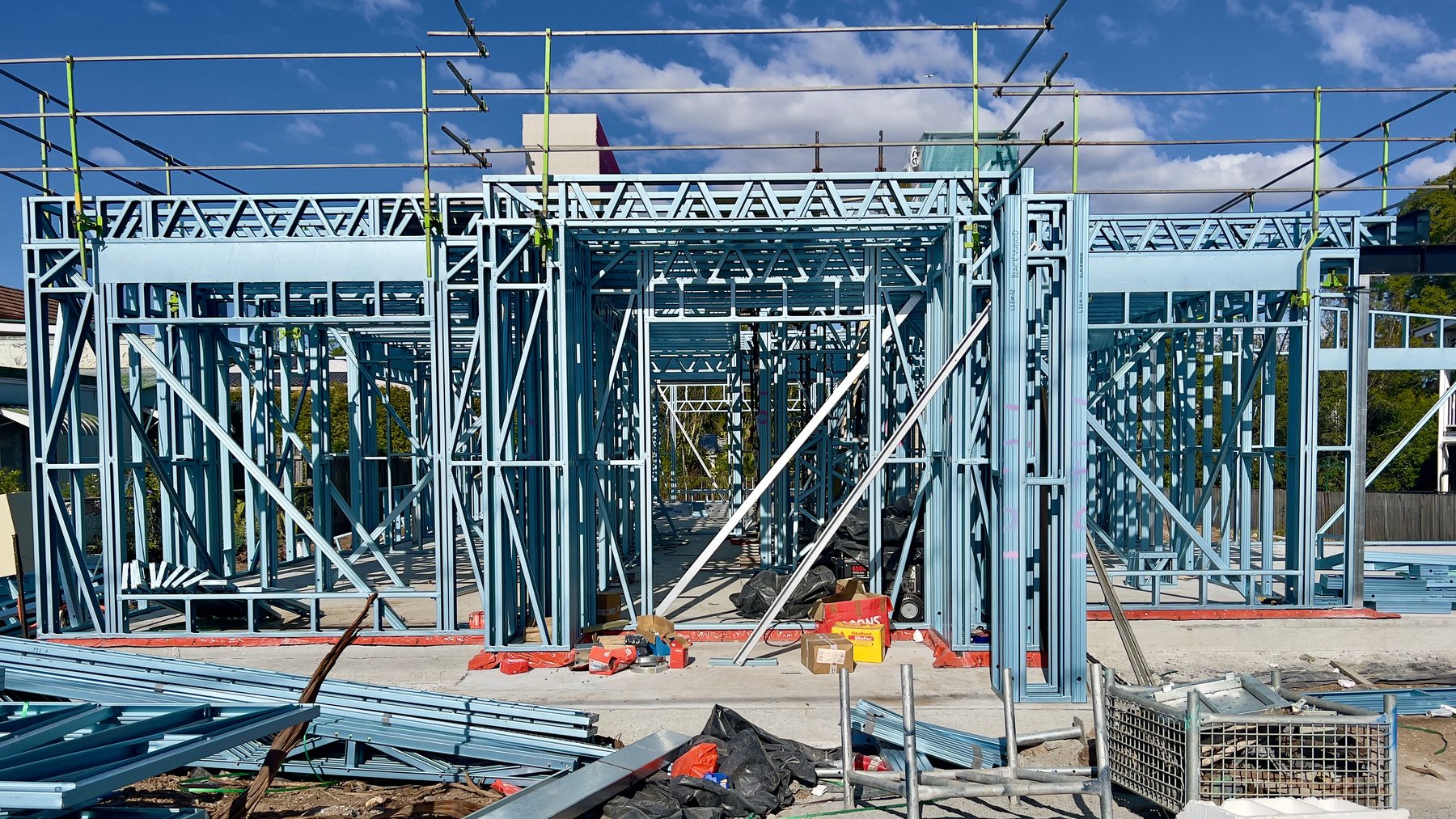
The Reserve Bank of Australia's August minutes show a live argument over the next rate move. Several members judged that a 25 basis point increase might be needed if upside inflation risks crystallised. The board still voted unanimously to leave the cash rate at 4.35 per cent, after three increases earlier this year.
The distinction matters for households and businesses. The RBA says the current setting is somewhat restrictive, but it also says inflation remains well above target. Trimmed mean inflation reached 3.6 per cent in the June quarter. The Bank expects it to remain above 3 per cent until mid 2027 and return to around the midpoint of the 2 to 3 per cent target range only in late 2027.
September's inflation, labour market and national accounts data will tell the board whether restrictive policy is finally bringing demand and supply back into balance.
From the analysisThe case for another rise rests on capacity pressure that has not gone away. The minutes point to cost increases being passed through to consumers, a possible surge in artificial intelligence and data centre investment, resilient domestic demand and weak productivity. A prolonged Middle East conflict could push energy costs higher and make the inflation problem harder to contain. Several members saw merit in tightening before those risks become embedded.
The case for holding rates is just as recognisable. The economy has slowed, the unemployment rate has risen a little more than expected, housing prices have fallen from their March peak and the cash rate is already doing work. Members wanted more monthly inflation and labour market data, the June quarter national accounts and clearer evidence from housing and the Middle East before choosing another increase.
Borrowers get some breathing space from the hold, but the debt burden remains substantial. The minutes say scheduled mortgage payments as a share of household disposable income have risen close to their 2024 peak and may increase further as earlier rate rises flow through. Housing prices are down around 1.5 per cent from March, yet remain about 5 per cent higher than a year earlier. Demand for new housing loans has declined significantly, especially among investors.
Markets are treating the next move as open rather than inevitable. Reuters reported that traders saw about a 13 per cent chance of a rise at the September meeting and roughly a 67 per cent chance of a rise by February 2027. Those are market prices, not an RBA promise. The board has left itself room to wait, and a reason to act if inflation refuses to bend.
Australia's constructive response is to expand supply while monetary policy does its narrow job. Faster planning approvals, more homes, reliable energy and stronger productivity would reduce the capacity pressure that keeps rates high. A government cannot legislate away every oil shock or global investment boom, but it can stop making land, power and construction harder to provide.
The August decision bought time. It did not settle the argument. September's inflation, labour market and national accounts data will tell the board whether restrictive policy is finally bringing demand and supply back into balance. Australians should welcome the pause, while planning for the possibility that price stability still requires another turn of the screw.
The Semaform
The RBA's August minutes reveal a serious debate over another rate rise despite a unanimous decision to hold at 4.35 per cent.
Australia should use the pause to expand housing, energy and productivity capacity, giving monetary policy a better chance to reduce inflation without a deeper household squeeze.
The board can reasonably wait for more evidence because financial conditions are already restrictive and the labour market is easing. If cost pressures and demand prove stronger than forecast, waiting could make the eventual adjustment harsher.
Sources
A human editor is accountable for this analysis. Read our editorial standards, how we use AI, what the content labels mean, and how to ask for a correction.