Wall Street Circles Its Record as the Fed Stares Down a Rate-Hike Faction
The S&P 500 clawed back within a whisper of its June all-time high, even as a vocal minority inside the Federal Reserve floated the once-unthinkable: a rate hike, not a cut.

American equities are grinding higher into late July, and the tape tells a story of resilience rather than exuberance. Morningstar data showed the S&P 500 rising 0.89% to 7,509.20 on July 21, its largest one-day gain since late June, leaving the index just 1.32% below its record close of 7,609.78 set on June 2. Reuters technical analysis put the same figure into context: bulls need a close above the July 10 peak of 7,579.83 to reopen a path back to records, with 8,000 the next psychological magnet.
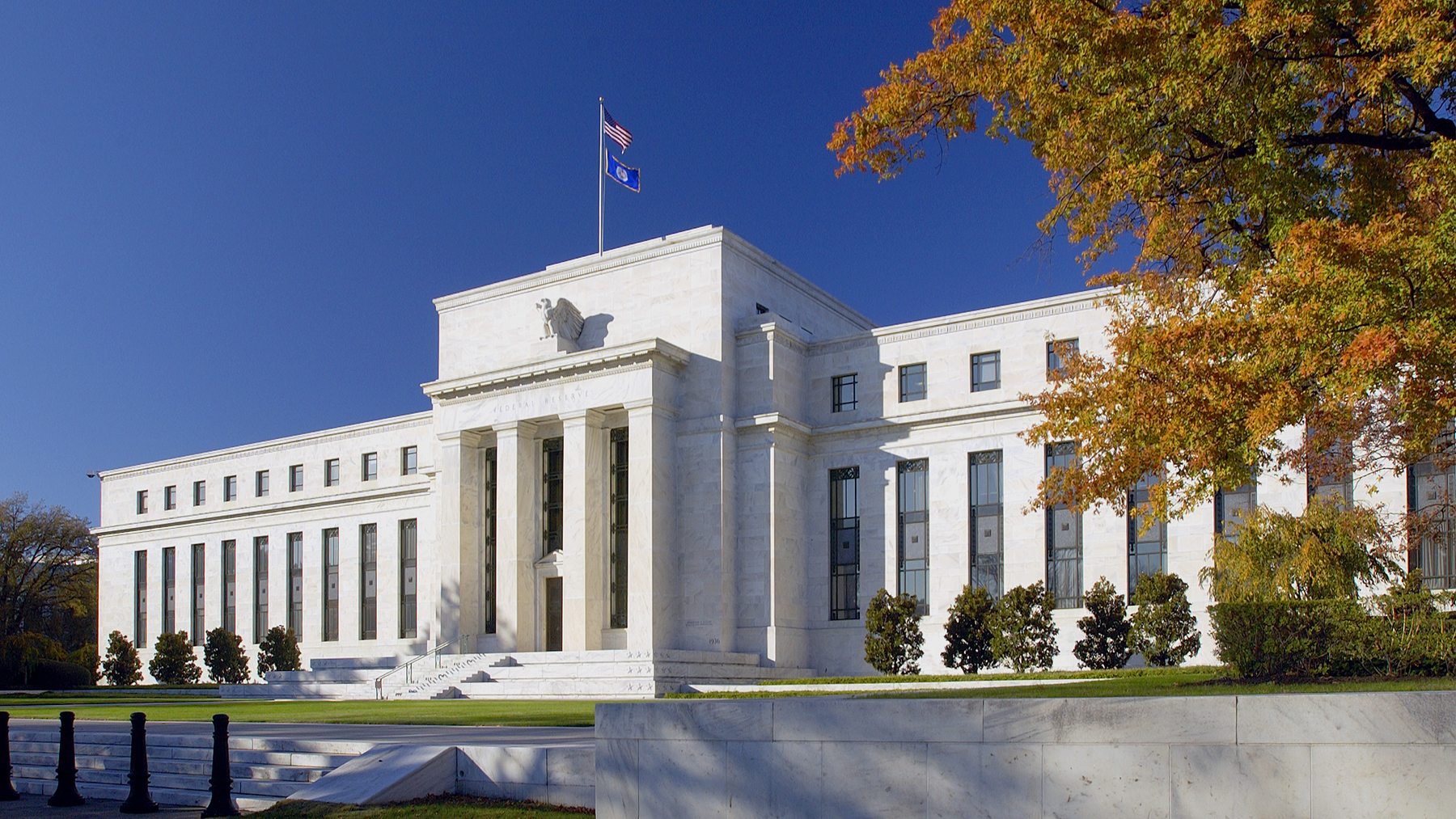
The backdrop is a Federal Reserve that is, unusually, being pulled in two directions at once. CNBC reported that the odds of a rate hike surged as oil ripped higher, sending the tech-heavy Nasdaq down nearly 3% on the day. Yet Reuters, surveying economists, found the consensus intact that the Fed will hold rates through 2026 despite stubborn inflation, with rate-hike voices swelling but not yet in the majority ahead of the July 29 decision.
A hold extends the run; a hawkish surprise would test whether these valuations can survive a higher-for-longer world.
From the analysisThe inflation picture that markets are trading on is genuinely improving. BNP Paribas economic research noted that US consumer prices fell 0.4% month-on-month in June, the first decline since 2020, dragged down by the largest drop in gasoline prices since 2022, while producer prices also undershot expectations. Core CPI was flat on the month, the kind of print that lets the Fed sit on its hands rather than surprise the market.
Valuations, however, leave little room for error. Longtermtrends data cited an S&P 500 forward price-to-earnings ratio of 25.4, a Shiller P/E of 39.5, and a Buffett Indicator at 219% of GDP, a roughly 36% premium to global peers. That is the price of American exceptionalism: capital keeps flowing to the deepest, most innovative equity market on earth, but it is paying up handsomely to be there.
Real economic momentum underpins the optimism. Richmond Fed and other regional indicators pointed to continued expansion, with real GDP having grown at a 2.1% annualized rate in the first quarter and no broad recession in the data. Mutual of America's market perspective noted the S&P 500 gained 15.2% in the second quarter alone after a first-quarter wobble.
For investors, the message is that the free market is doing exactly what it does best: pricing risk in real time and rewarding productive capital. The Fed's independence to hold, hike, or cut on the data, rather than on political demand, is the guardrail that keeps that pricing honest.
The near-term test arrives July 29. A hold extends the run; a hawkish surprise would test whether these valuations can survive a higher-for-longer world. Either way, the market, not a committee, will render the verdict.
The Semaform
The S&P 500 recovered to within about 1.3% of its June record as of July 21, while a minority of Fed officials openly discussed a rate hike ahead of the July 29 decision; consensus still expects a hold.
This is capitalism working as designed: transparent price discovery, a central bank free to follow the data rather than politics, and capital rewarding American productivity. Cooling inflation without a growth collapse vindicates letting markets and monetary discipline, not stimulus and price controls, do the heavy lifting. Rich valuations are a feature of confidence, not a bubble to be regulated away.
Bears reasonably warn that a Buffett Indicator north of 200% and a Shiller P/E near 40 have historically preceded painful drawdowns, and that a surprise hike could expose how much of the rally rests on cheap-money assumptions.
A human editor is accountable for this analysis. Read our editorial standards, how we use AI, what the content labels mean, and how to ask for a correction.