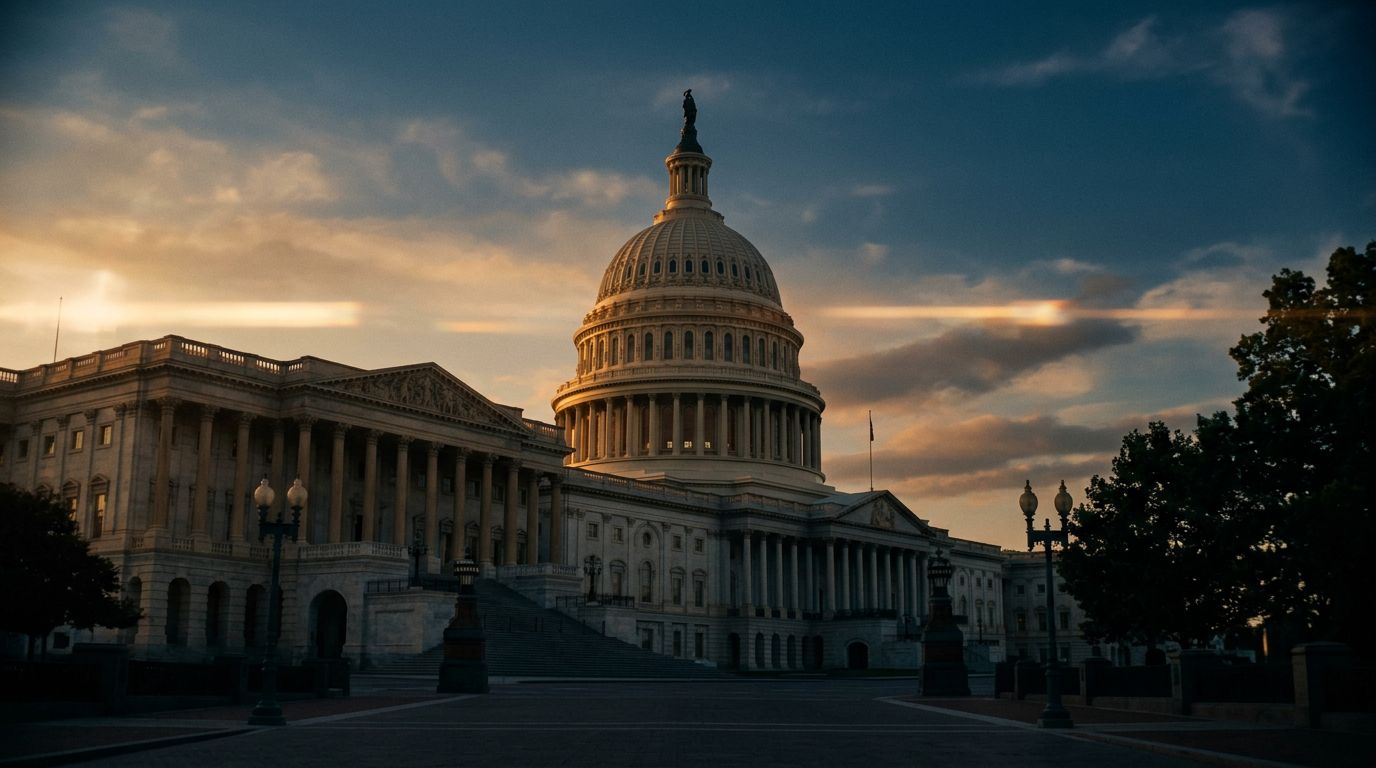
A Judge Has Stopped the $20 Million Trump Ad Buy. The Bill Already Landed
A federal court has frozen the Homeland Security money behind five taxpayer-funded television ads featuring President Trump. About $19 million was spent before the order, and the government did not argue the spending was legal.

Judge Jennifer Rochon of the Southern District of New York issued a temporary restraining order at 6:45pm on Sunday 11 October, halting a $20 million advertising campaign that the Department of Homeland Security had paid for and that aired on Fox, CNN, CBS, ABC and ESPN in the weeks before the 3 November midterm elections. On Monday she published a 40 page opinion explaining why. The ads carried the line Paid for by the U.S. Government, and the money came from an appropriation Congress wrote for border security.
The order stays a purchase order that Customs and Border Protection signed with the Maryland agency LMD on 20 September, stays the Office of Management and Budget apportionment of $20 million that funded it, enjoins DHS from spending appropriated funds on the five spots, and requires the government to cancel every remaining placement, including those booked for Sunday evening. The five ads are named in the order: The Country He Loves, Celebrating the Enduring Spirit, Final Battle, To the Great Proud People of Iran, and Maduro. Final Battle, the most expensive at about $13 million according to the ad tracker AdImpact, reworks a 2024 campaign video in which Mr Trump promises to demolish the deep state.
The restraining order lasts 14 days, until 25 October, unless extended, and the government had to file a compliance report within 24 hours.
From the analysisThe government's defence was narrow. In its filing, the Justice Department did not dispute that the placements were paid for from funds appropriated for border security, technology and screening, and did not dispute that this breached the Purpose Statute and Section 718 of the 2026 Consolidated Appropriations Act, which bars appropriated money from being used for publicity or propaganda not authorised by Congress. It argued instead that the case was moot because the campaign would end on Sunday anyway, and that the plaintiffs lacked standing. Judge Rochon rejected both points, noting that the purchase order runs to September 2027 and that only $19 million of the $20 million had been spent.
The appropriation at issue was written for commemorative events honouring contributions to border security. The committee report that accompanied it gave examples: line of duty memorials, agency anniversaries, commendation ceremonies, with money for venues, plaques and honour guards. A CBP budget official told the court in a declaration that the funds were available for commemorating efforts and events related to border security, and that LMD had been told to make no media buys after 11 October.
Mr Trump said on 5 October that he would start paying for the ads himself and with money raised for MAGA Inc., his political committee, after critics objected to the use of federal funds. The court noted that the ads kept running after that date with the government funding line still on screen. Politico reported that the administration does not intend to reimburse the Treasury for the $19 million already spent.
We think the spending question matters more than the ads themselves. Governments of every colour advertise, and voters can judge a slogan for what it is. What a legislature cannot survive is the idea that a line item for memorial plaques can be redirected to a national television campaign for the head of government six weeks before an election, and that the only defence offered is that the money has run out. Appropriations are the one hard constraint Congress holds over the executive. Judge Rochon's opinion records that the executive chose not to defend this spending on the merits.
The restraining order lasts 14 days, until 25 October, unless extended, and the government had to file a compliance report within 24 hours. The next step is a preliminary injunction motion, and the plaintiffs, who include Common Cause and a New York branch of the Service Employees International Union, will press for the unspent $1 million to stay frozen. Whether the Treasury ever sees the $19 million again is a separate question, and so far nobody in the administration has said it will.
The Semaform
On 11 October Judge Jennifer Rochon stayed a $20 million DHS ad purchase order and OMB apportionment, enjoined further spending and ordered every remaining placement cancelled; her opinion of 12 October found a clear likelihood that the spending violated the Purpose Statute and Section 718 of the appropriations act.
The ads are a sideshow. The precedent that a legislature's spending instructions can be redirected to a political campaign for the head of government, with no defence offered on the merits, is the thing worth stopping, and the court was right to stop it even with $1 million left to spend.
The administration says the campaign had already ended, that the ads were public service announcements promoting government achievements, and that the president has since offered to fund any further advertising privately, so an injunction over the final evening of placements achieves little.
Sources
- Common Cause v. Department of Homeland Security, No. 1:26-cv-08882 (S.D.N.Y.), Order granting temporary restraining order and Section 705 stay, 11 October 2026 (Dkt. 41)
- Common Cause v. Department of Homeland Security, Opinion and Order, 12 October 2026 (Dkt. 42)
- CBS News, Trump administration ordered to cancel taxpayer-funded TV ads, 12 October 2026
- Politico, Judge orders immediate halt to taxpayer-funded pro-Trump ads, 11 October 2026
A human editor is accountable for this analysis. Read our editorial standards, how we use AI, what the content labels mean, and how to ask for a correction.