Britain's new floating docks and marine research vessel are more than a shipbuilding announcement. They are a test of whether strategic procurement can rebuild the capacity that national security now depends on.
Britain is building a workplace-health system because 300,000 people leave work each year with a health condition. The test is whether it becomes measurable economic infrastructure rather than another unfunded duty for employers.
The Bank of England held rates at 3.75 per cent but three officials wanted a hike as energy prices pushed inflation higher. Britain cannot rate its way out of an energy shortage.
Great British Energy is putting £30 million behind the first wave of community power projects. The real test is whether local ownership becomes a durable share of the energy system, not another grant round.
Britain’s promised ban on goods from illegal West Bank settlements is a consequential reset, but its credibility will depend on precise rules that punish settlement expansion without turning wider trade into collective punishment.
Andy Burnham has widened the offences excluded from England and Wales's early release changes. The harder test is whether Britain can build prison capacity and make sentences credible again.
England's mayors will gain call-in powers over major developments, with upfront permission and new infrastructure tools. The reform can speed building, if elected leaders accept the responsibility that comes with the power.
Rightmove says newly listed homes fell 2 per cent in August, the sharpest seasonal drop since 2018. Buyers have more choice, but durable affordability will come from building more homes, not waiting for a cheaper mortgage.
Downing Street says VAT on domestic electricity will drop from 5% to 0% from 1 October, taking about £45 a year off the next Ofgem price cap. The politics are easy. The economics are not.
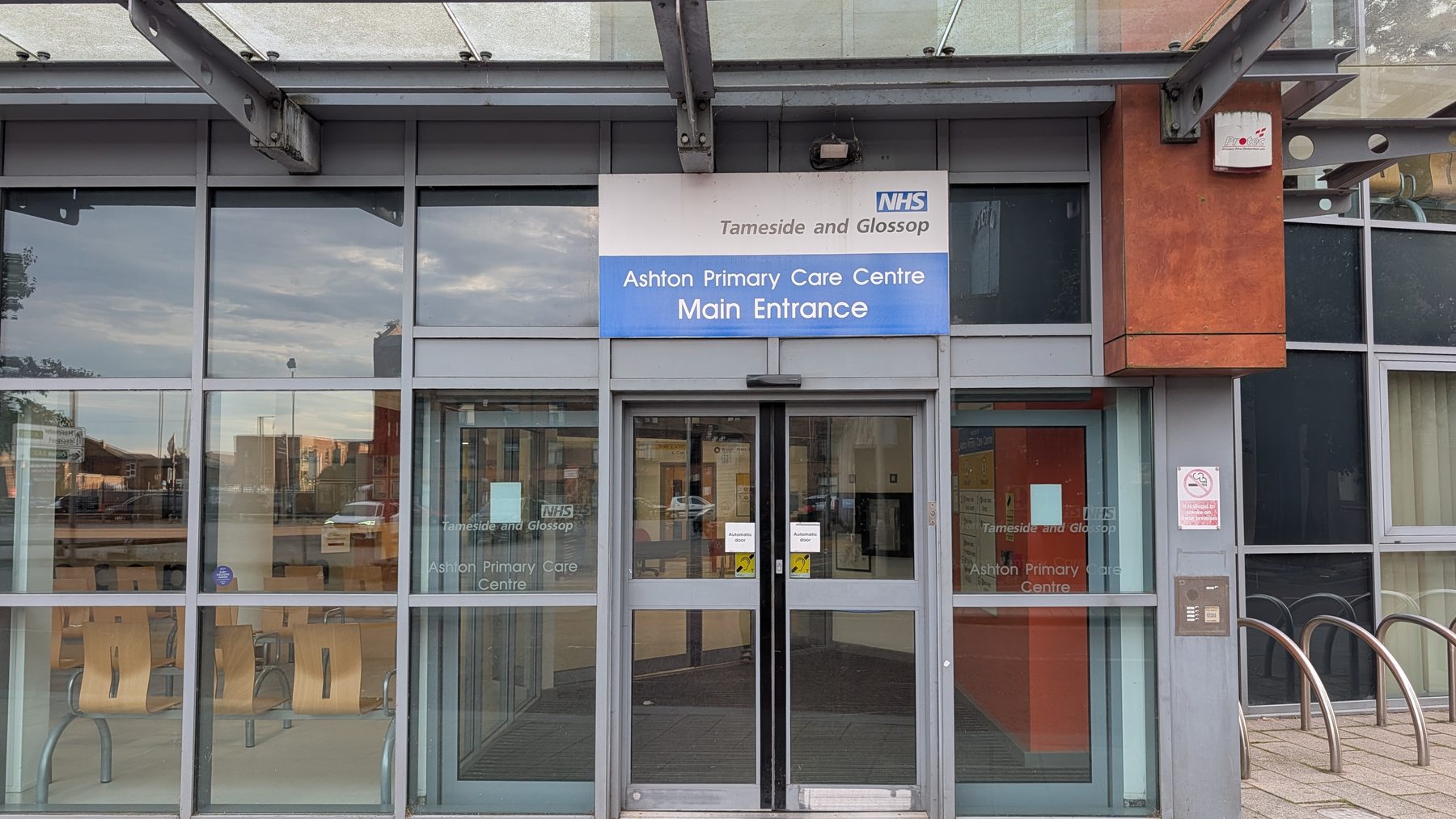
Proposals to offer obesity medication to children as young as six could free up millions of GP appointments, even as an oral GLP-1 pill reaches the private market before the NHS can prescribe it.
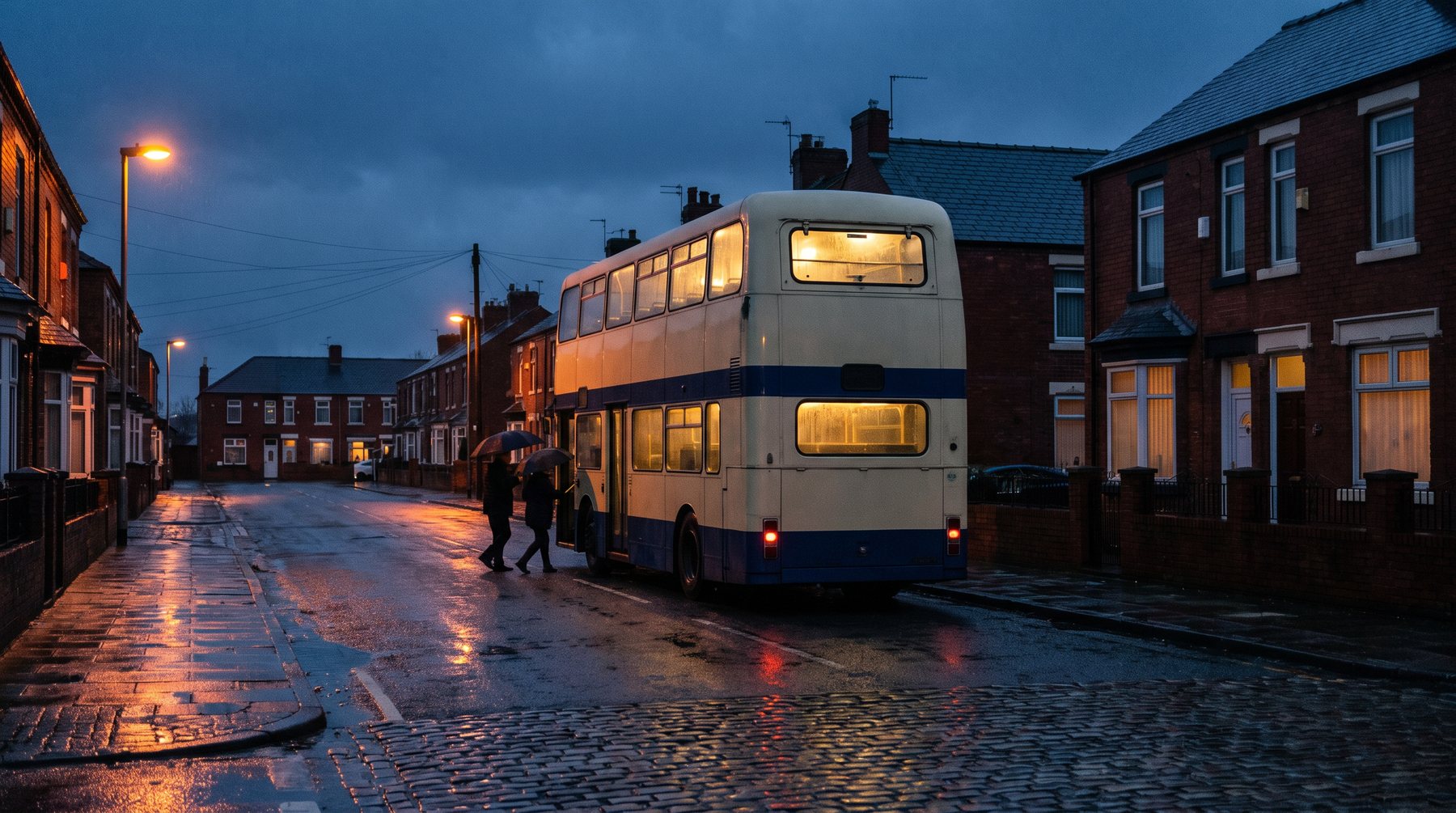
The new prime minister zeroed VAT on electricity and revived the £2 bus fare cap, but with the tax take heading to its highest share of the economy since 1948, the arithmetic is unforgiving.