The NHS Weighs Weight-Loss Drugs for Children as the Private Market Races Ahead
Proposals to offer obesity medication to children as young as six could free up millions of GP appointments, even as an oral GLP-1 pill reaches the private market before the NHS can prescribe it.

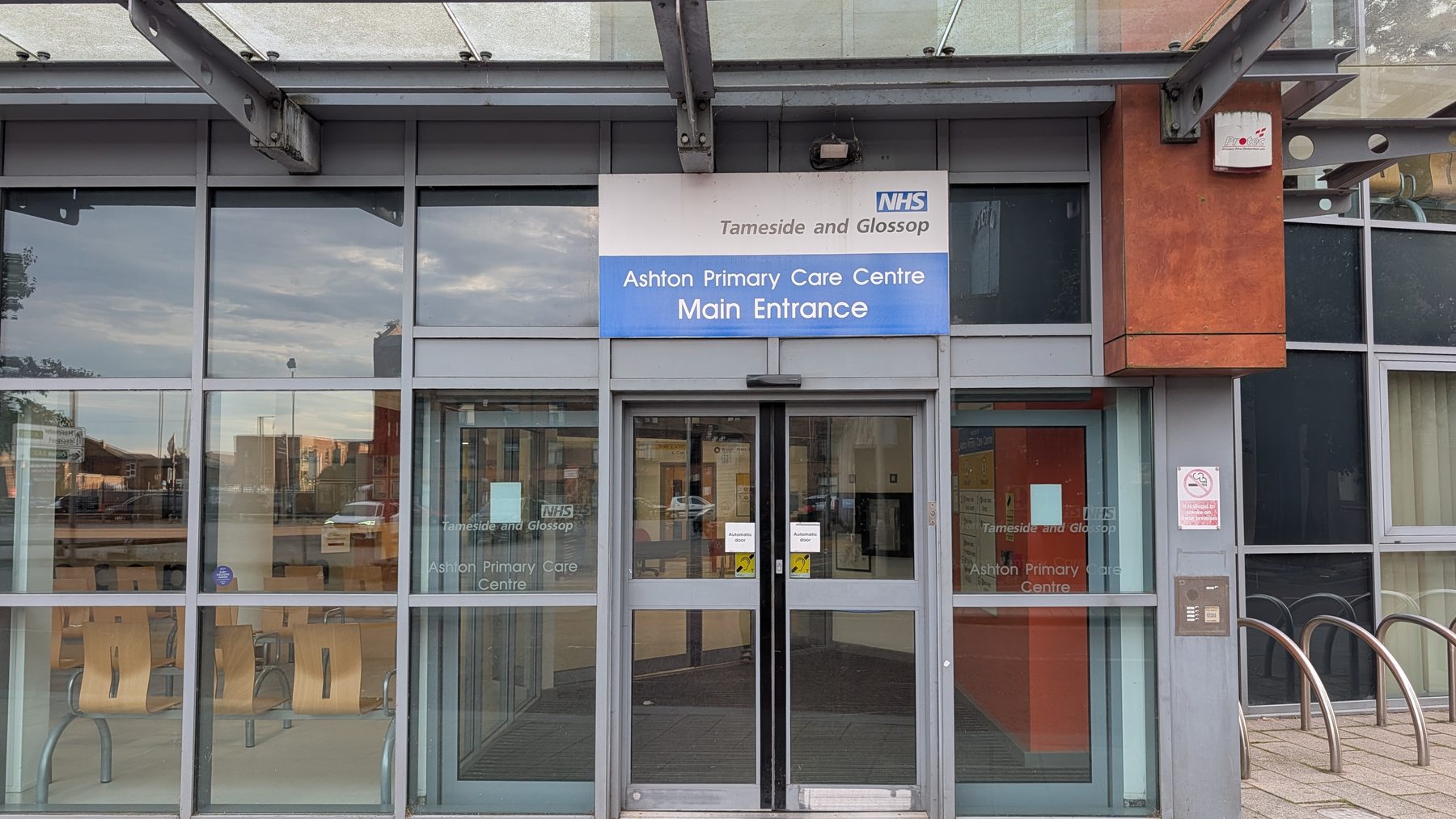
Britain's obesity debate has taken a striking turn. The Telegraph reported that children as young as six could be offered weight-loss drugs under proposals being considered, with experts cited saying wider availability of the treatments could free up nearly 10 million GP appointments and cut A&E visits by obese patients by around a quarter.
The clinical caveats are significant. As the Telegraph noted, none of these drugs is currently licensed for under-12s outside a clinical trial, although Wegovy is available privately in the UK for children aged 12 and above. The proposals therefore describe a possible future pathway rather than an approved treatment for young children today.
The sensible course is to let private provision expand freely while the NHS negotiates value-based access, rather than restricting the market in the name of equality of waiting.
From the analysisThe technology is moving faster than the state can. UK Meds reported that a newer oral GLP-1, the Wegovy pill, was approved by Britain's regulator on June 11, 2026, a needle-free option that could dramatically widen uptake, yet NHS access remains constrained relative to the private channel where patients can already pay for treatment.
The scale of the prize is what makes this a vitality story rather than a mere health-budget line. GLP-1 medicines have moved from diabetes control to the front line of metabolic health, and the government's own health department has been trumpeting related wins, GOV.UK press releases this month touted £3 billion of life-sciences investment and new heart-disease and stroke plans said to save thousands of lives.
For a publication that prizes health and vitality, the promise is real: a population that is leaner, more energetic and less dependent on acute care is a more productive and freer population. The medicines that deliver that outcome are overwhelmingly the product of private pharmaceutical innovation.
The friction is equally instructive. The oral pill's approval before broad NHS availability shows a familiar pattern in which a centrally rationed system lags the market it is meant to serve, leaving those who can pay privately to access breakthroughs first.
The sensible course is to let private provision expand freely while the NHS negotiates value-based access, rather than restricting the market in the name of equality of waiting. Vitality delayed is vitality denied, and the fastest route to a healthier Britain is more competition and supply, not less.
The Semaform
UK officials are weighing proposals that could offer weight-loss drugs to children as young as six, while an oral GLP-1 pill approved in June 2026 is reaching private patients ahead of broad NHS availability.
The GLP-1 revolution is a triumph of private pharmaceutical innovation with the potential to lift the vitality and productivity of an entire nation. Government should clear the path for private access to expand and negotiate hard on value, rather than rationing breakthroughs so everyone waits equally; a healthier, more energetic population is the ultimate free-market dividend.
Caution is warranted: prescribing powerful metabolic drugs to young children outside established licensing raises real safety and ethical questions, and a two-tier system where only the affluent access breakthroughs early can entrench health inequality.
A human editor is accountable for this analysis. Read our editorial standards, how we use AI, what the content labels mean, and how to ask for a correction.