Ottawa and Saab have signed a non-binding term sheet for six GlobalEye aircraft. That is a serious defence commitment, but it is not yet an order, and the distinction matters.
The two countries have signed a Statement of Intent linking defence science teams through experimentation, personnel exchanges and closer work with industry and universities.
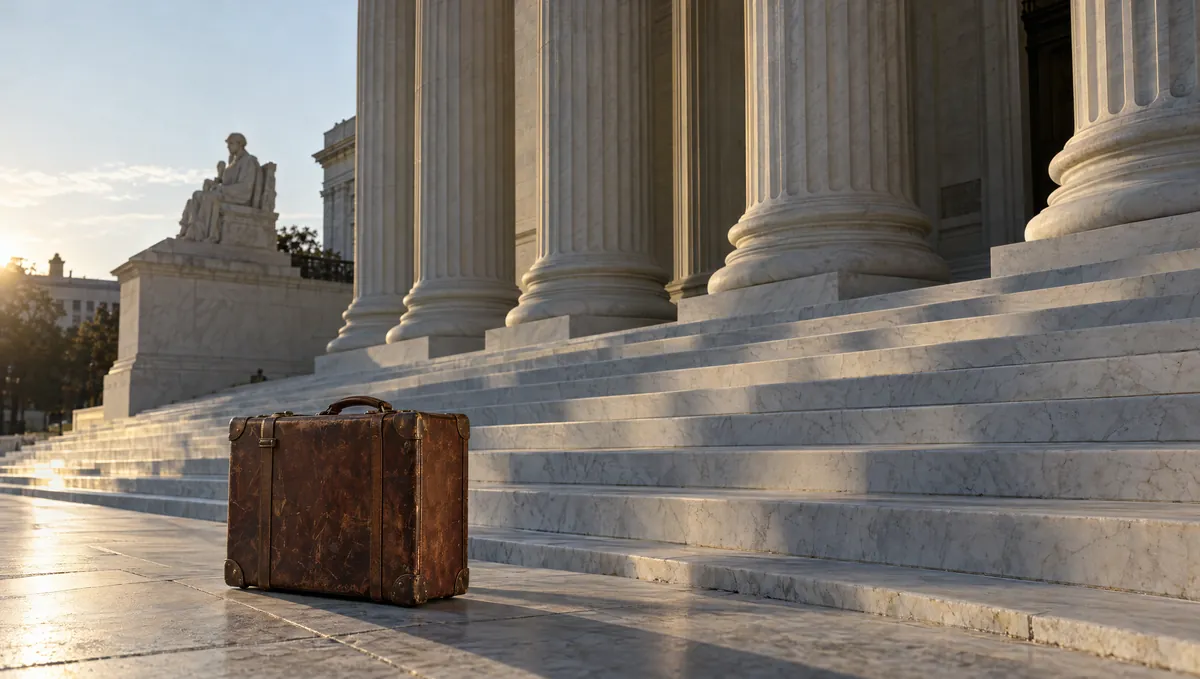
The First Circuit has blocked the administration's shortcut for sending migrants to countries with no connection to them. The next fight is at the Supreme Court, where due process meets executive power.
Canberra's 10-year security agreement with Kyiv adds $60 million in support and a promise to deepen maritime, industrial and defence cooperation. Its value will be measured by what Australia can sustain after the headlines move on.
The White House presented Donald Trump's United Nations address as proof of American strength. The more consequential question is whether the threats now have an off-ramp.
The United States, Denmark and Greenland have signed a deal that expands American military access while keeping sovereignty and self-determination explicit. The next test is whether the new power comes with rules the alliance can trust.
CNN, MS NOW and POLITICO are asking a federal judge to restore their White House access. The important question is whether press credentials are a public duty or a presidential reward for friendly coverage.
Trump has signed H.R. 5334 into law. The pressure on Moscow is now real; the test is whether its tariff powers arrive with clear triggers, price checks and an accountable way out.
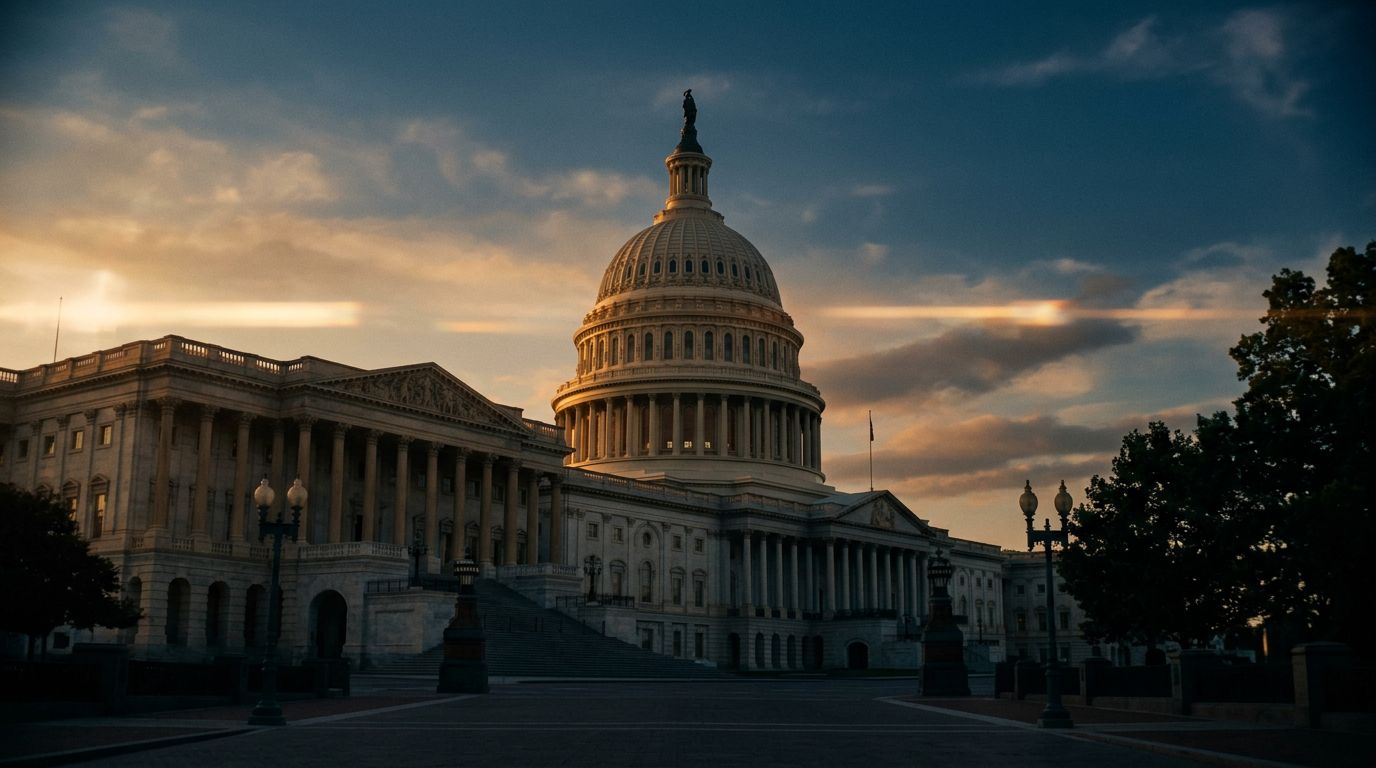
The House has sent a sweeping Russia and Iran sanctions package toward the White House. Its pressure on Moscow may be justified, but tariff power needs a narrow trigger, a sunset and public accountability.
A federal judge has blocked the Postal Service from turning ballot delivery into a federal voter-enrolment test, preserving the line between moving mail and running elections.
A federal judge found that Homeland Security unlawfully took control of FEMA personnel decisions and steered the disaster agency toward a roughly 50 per cent staffing cut.
The United States has used its Alien Terrorist Removal Court for the first time. That may be a legitimate national-security tool, but only if secrecy is matched by visible judicial safeguards.
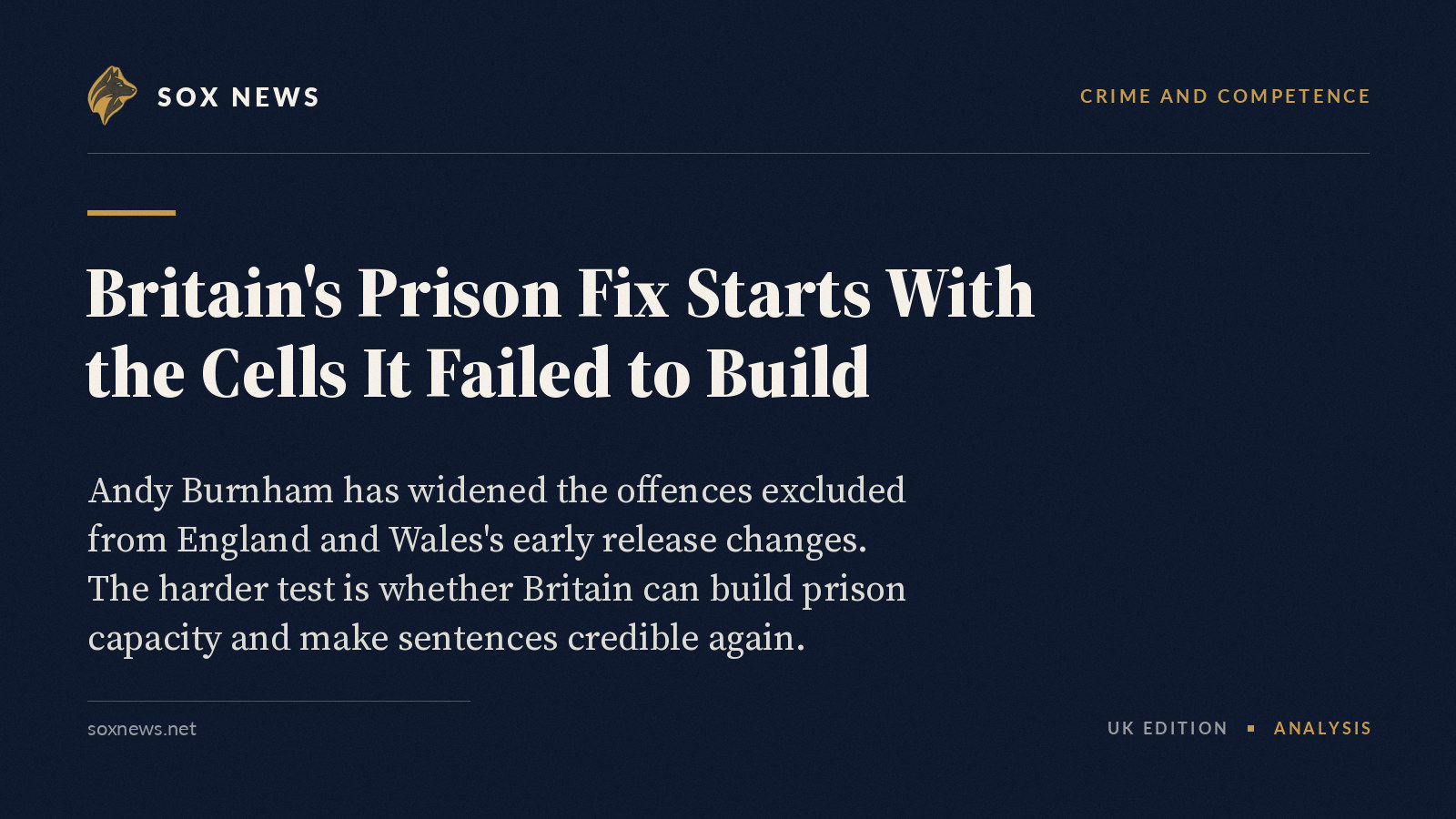
Andy Burnham has widened the offences excluded from England and Wales's early release changes. The harder test is whether Britain can build prison capacity and make sentences credible again.
A decade of paperwork has cost the United States more gigawatts than any cartel ever could. Now a cross-party coalition of builders, governors and impatient voters wants the right to build back.