DOT says a lower fleetwide target will cut vehicle costs. Reuters reports the department also expects higher fuel consumption and emissions over decades, leaving households to weigh the sticker price against the cost of running a car.
Britain's new floating docks and marine research vessel are more than a shipbuilding announcement. They are a test of whether strategic procurement can rebuild the capacity that national security now depends on.
The Bank of England held rates at 3.75 per cent but three officials wanted a hike as energy prices pushed inflation higher. Britain cannot rate its way out of an energy shortage.
The government is tightening student and working holiday visas to hit lower migration forecasts. The sensible test is whether the system produces homes, harvest workers and skills, not whether it creates another queue.
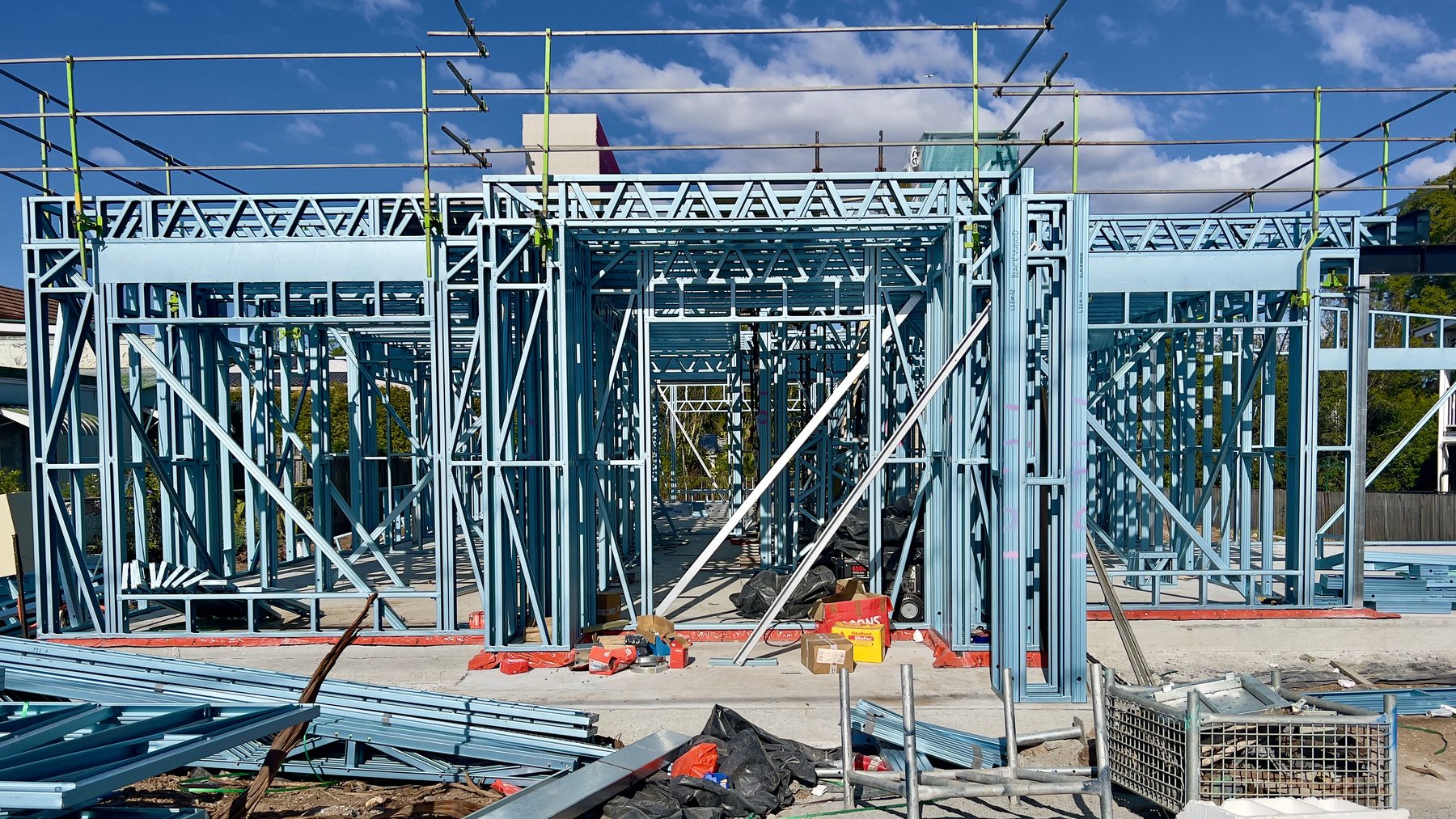
August housing data offer a familiar warning: permits and total starts slipped, while completions fell 27.1 per cent from a year earlier. Affordability improves when governments let builders add supply.
Great British Energy is putting £30 million behind the first wave of community power projects. The real test is whether local ownership becomes a durable share of the energy system, not another grant round.
Canberra is prioritising stockpiles and supply contracts over another fuel-tax cut. That is the right instinct, but it leaves households exposed unless resilience becomes permanent.
Saudi Arabia shut the East-West pipeline after drone attacks, putting a critical bypass for global oil flows and a diesel-heavy economy on a short clock.
U.S. producer prices rose 5.4 per cent over the year to August as diesel and energy surged. The policy answer is more supply and better resilience, not a cheque that hides the shock.
A peer-reviewed study puts a price on coastal flooding under a moderate-emissions pathway. The useful response is not panic or denial, but a public balance sheet for adaptation.
American drivers are paying a record Labor Day price for gasoline and an all-time high for diesel. The answer is energy resilience, not a political promise that conflict can be made costless.
New data show dwelling approvals fell 3.6 per cent in July while Cotality recorded a fifth consecutive monthly fall in home values. The squeeze is reaching buyers, builders and households at once.
England's mayors will gain call-in powers over major developments, with upfront permission and new infrastructure tools. The reform can speed building, if elected leaders accept the responsibility that comes with the power.
Rightmove says newly listed homes fell 2 per cent in August, the sharpest seasonal drop since 2018. Buyers have more choice, but durable affordability will come from building more homes, not waiting for a cheaper mortgage.
Westpac says mortgage applications have fallen 20 per cent after Canberra's housing tax changes. The policy may redirect capital toward new homes, but Australia still has to build them.
Washington is putting a price floor and a 15 per cent tariff on imported polysilicon and related solar goods. Supply security matters. Making panels dearer is a poor substitute for building faster.
Canberra is lifting the federal rooftop-solar incentive ceiling from 100 kW to 1 MW. The sensible part is the market mechanism. The real test is whether Australia lets businesses connect and build.
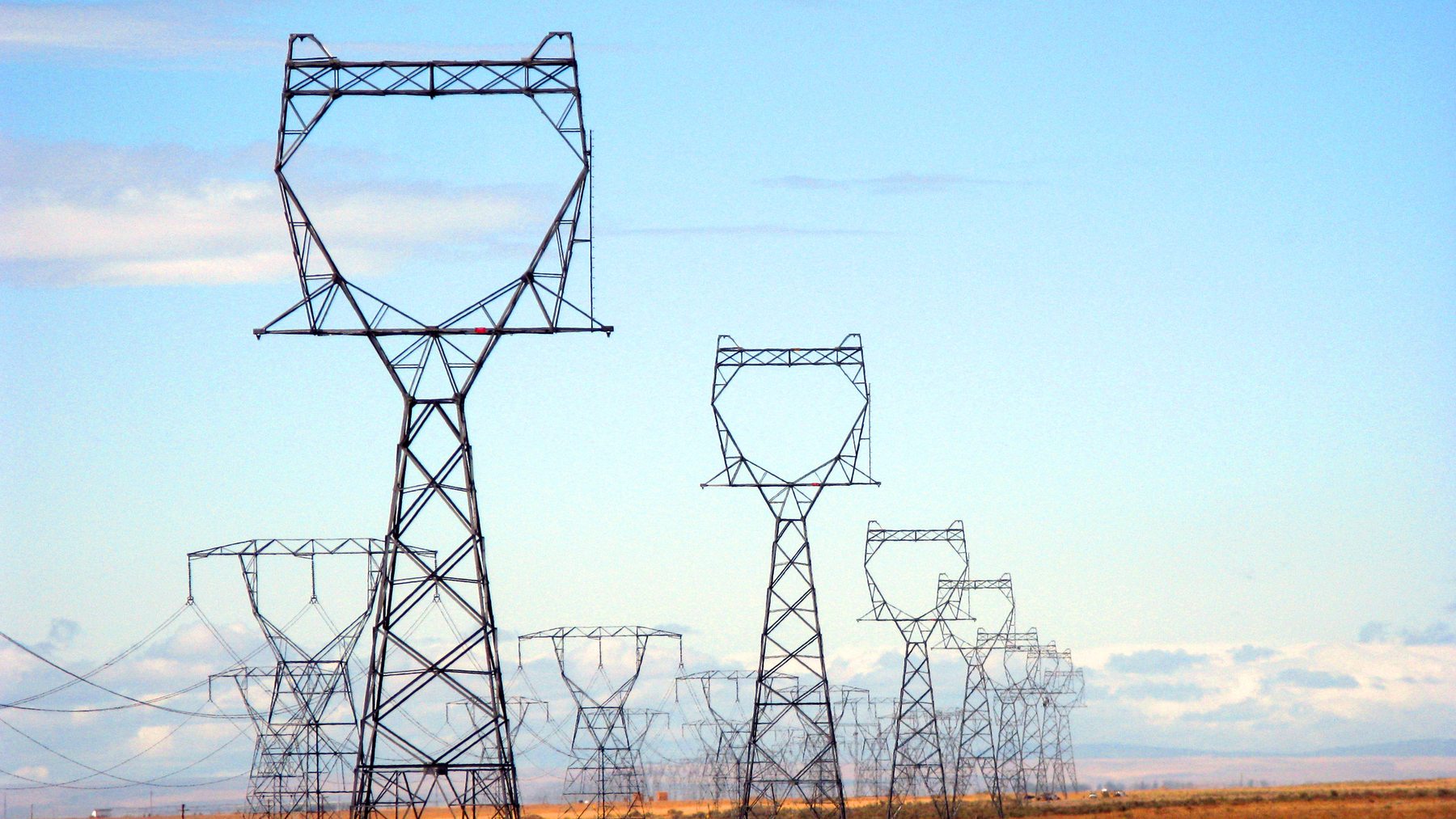
The Commission says electrification has stalled at 23% and claims the shift could cut the EU fossil fuel import bill by €260bn a year by 2040. The plan leans on carbon market tweaks and lower electricity charges. The harder part is letting markets build abundant clean power.
The Commission says electrification has stalled at 23% and claims the shift could cut the EU fossil fuel import bill by €260bn a year by 2040. The plan leans on carbon market tweaks and lower electricity charges. The harder part is letting markets build abundant clean power.
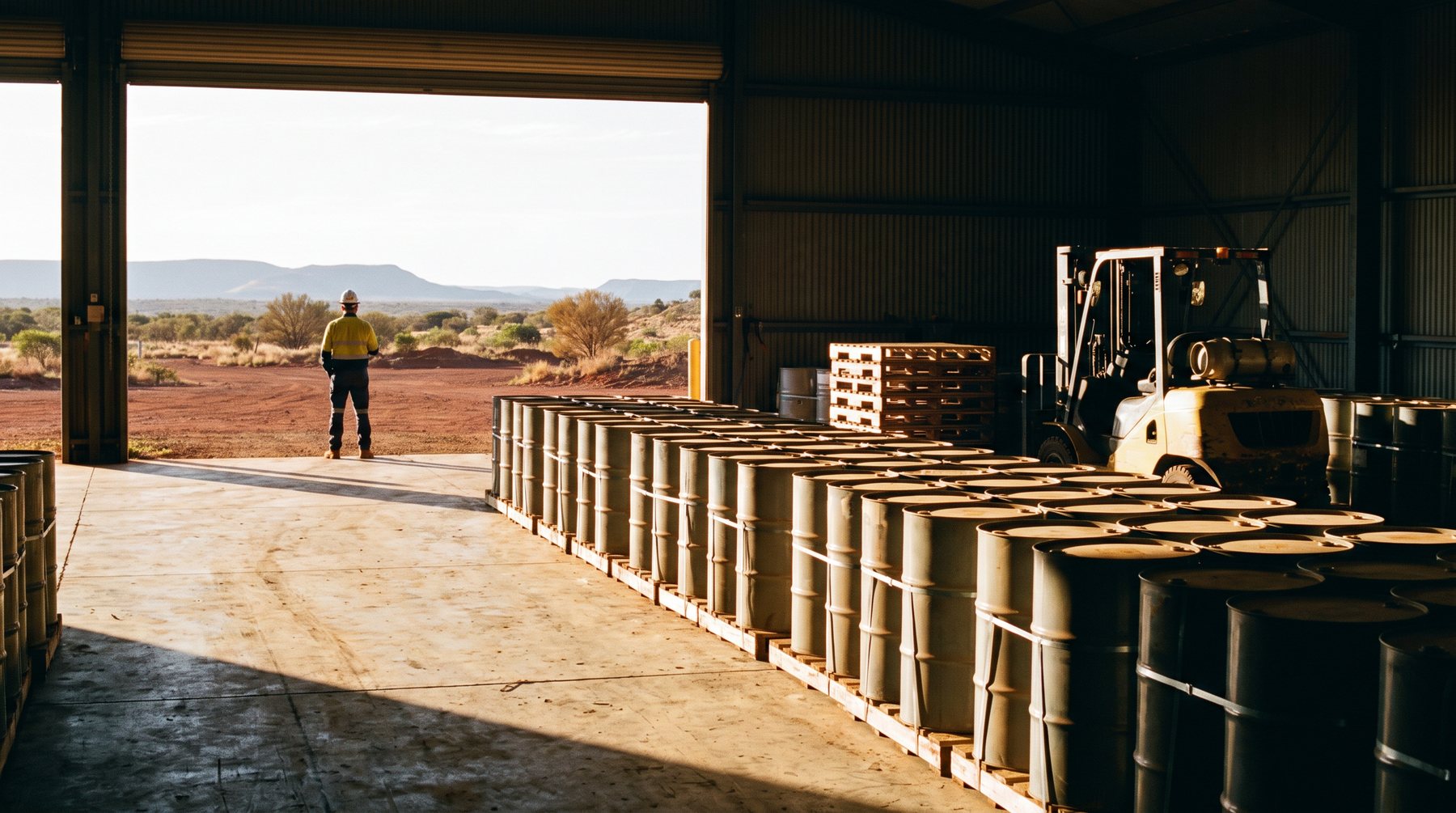
Twelve years after signing, Canberra and New Delhi have finalised the rules to ship Australian uranium to India, and the deal is already fuelling calls to lift domestic mining bans.
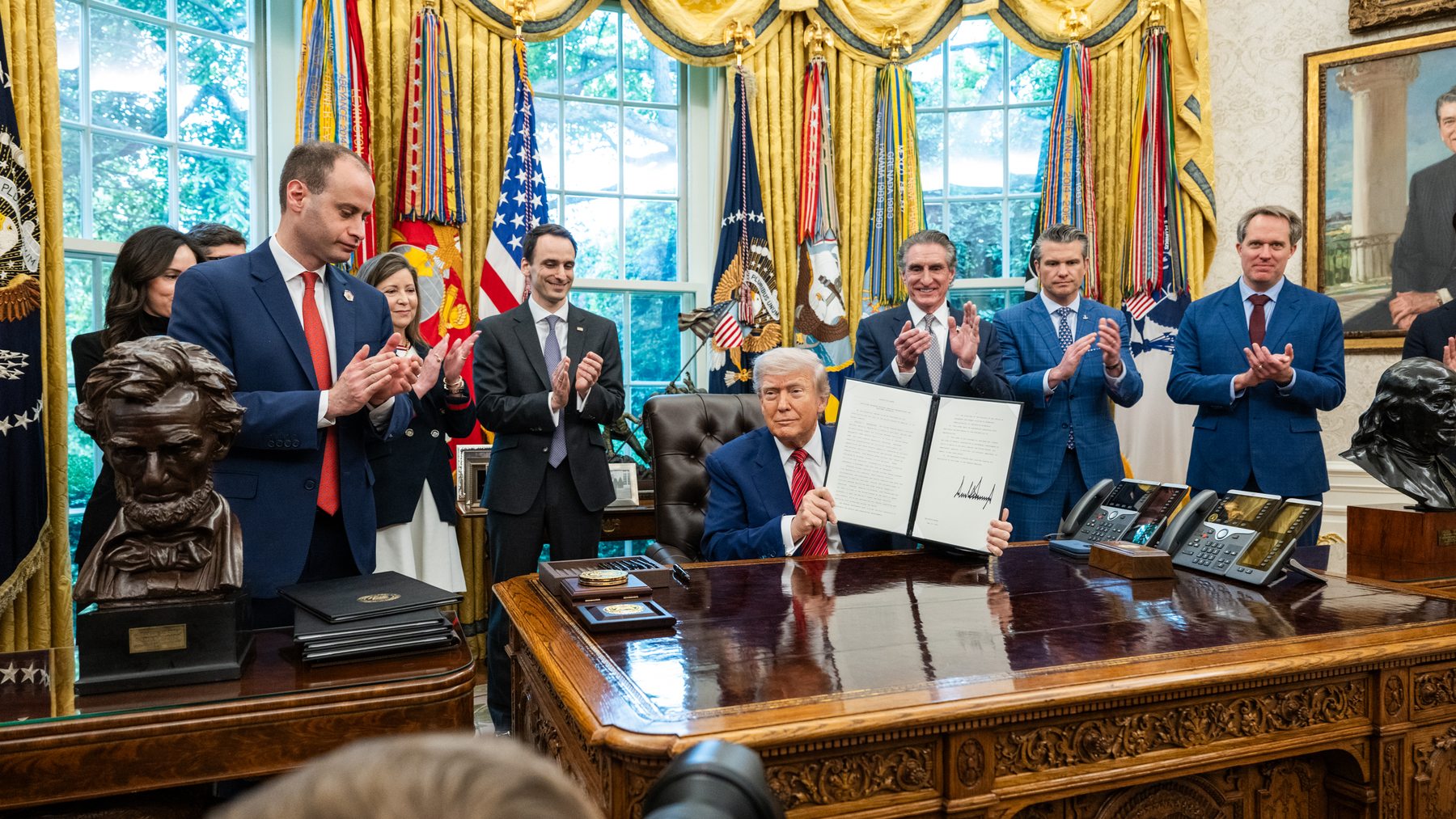
A ratepayer-protection pledge now covers roughly 80% of the power delivered to American homes, arriving alongside the most sweeping nuclear licensing overhaul in a generation.
From Georgia to Gloucestershire to Gladstone, reactors are back on the order books. The nations that build them fastest will own the next half-century of cheap, clean, sovereign power.