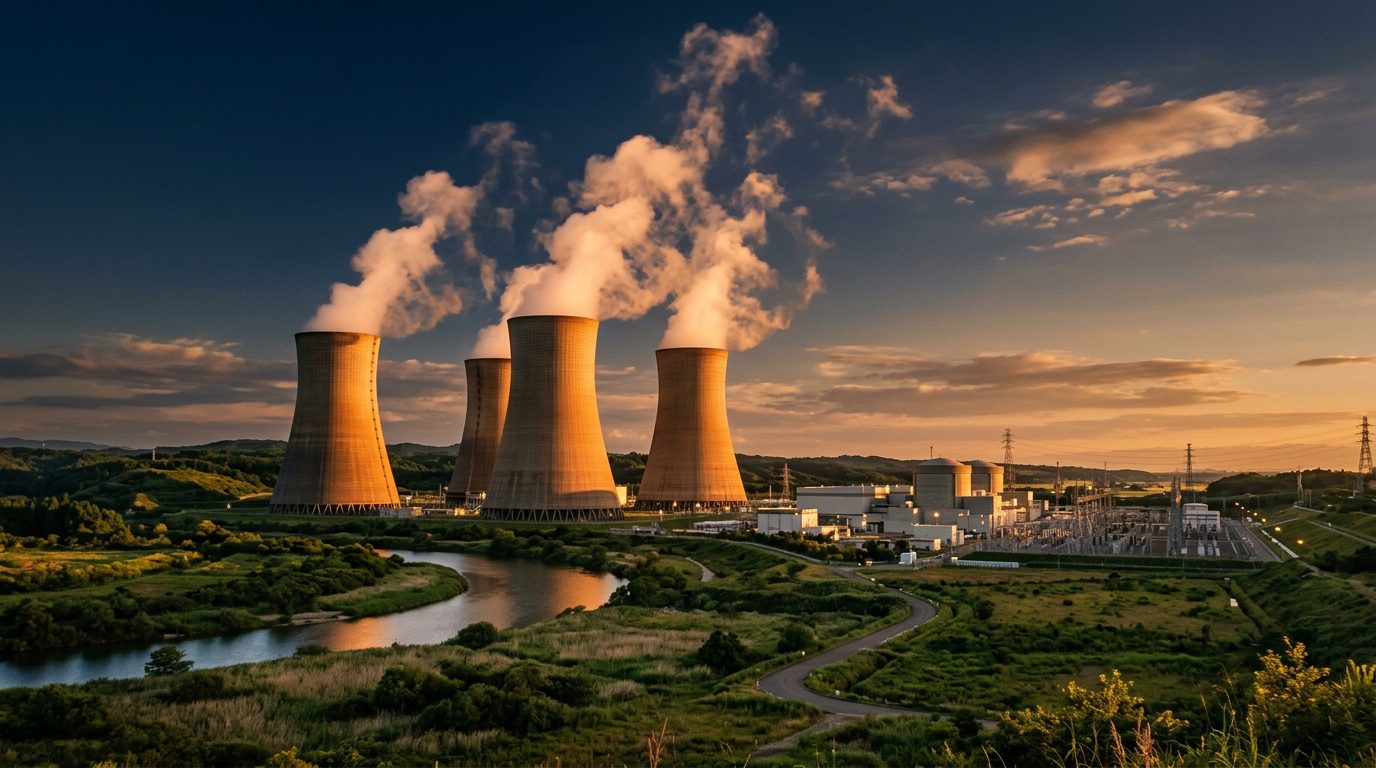
Australian Yellowcake Heads to India as the Uranium Trade Comes of Age
Twelve years after signing, Canberra and New Delhi have finalised the rules to ship Australian uranium to India, and the deal is already fuelling calls to lift domestic mining bans.

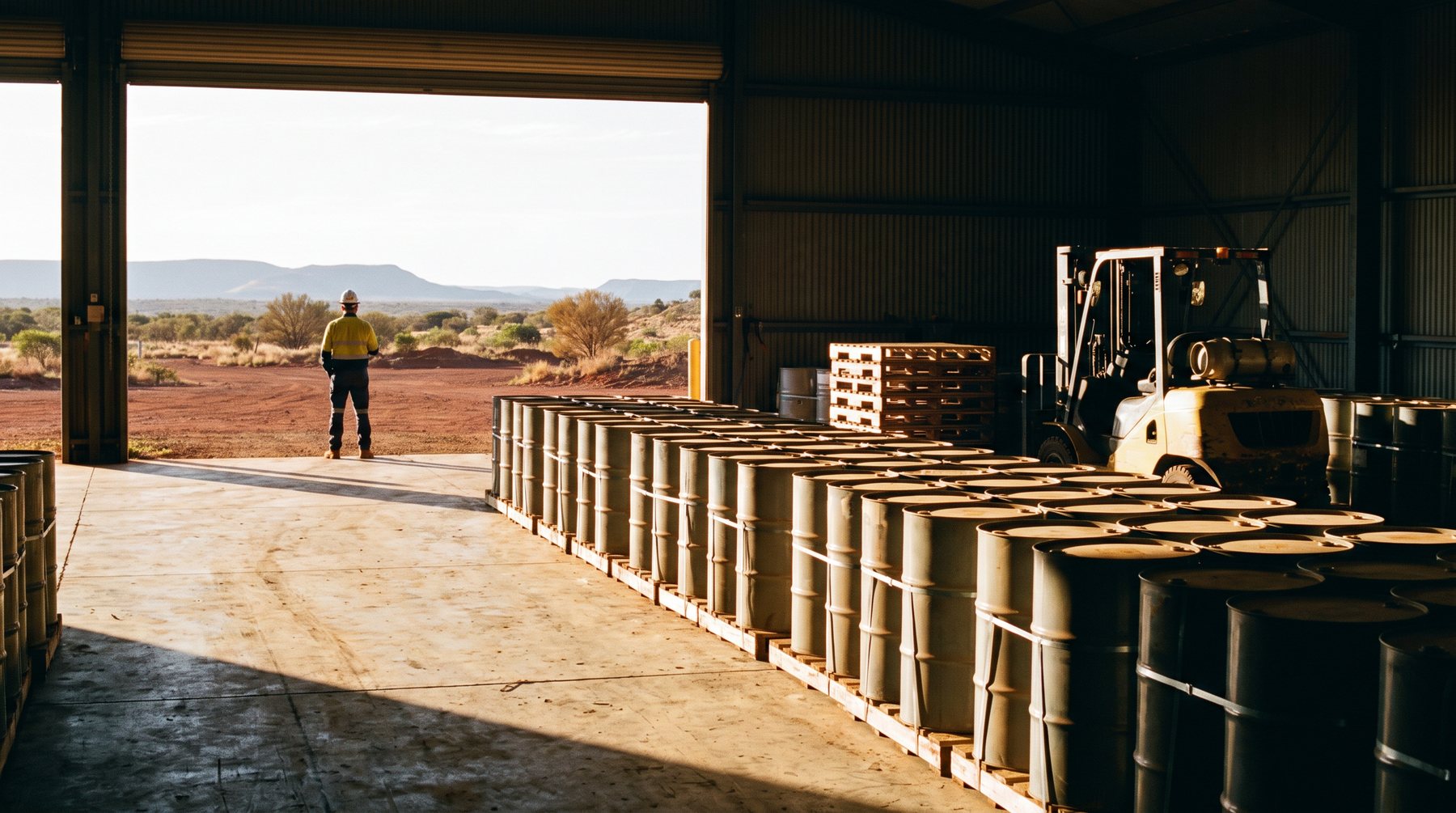
Australia has quietly become the fuel supplier to Asia's nuclear ambitions. The American Nuclear Society reported that at the Third India-Australia Annual Summit in Melbourne on July 9, the two governments finalised the Administrative Arrangement enabling long-term exports of Australian uranium to India for peaceful purposes under International Atomic Energy Agency safeguards, twelve years after the underlying 2014 Civil Nuclear Cooperation Agreement was signed.
The strategic logic is compelling on the numbers. As the ANS noted, Australia holds more than a quarter of the world's uranium reserves and is the fourth-largest producer, after Kazakhstan, Canada and Namibia, while India imports roughly 85% of the uranium for its reactor fleet and is targeting a leap from about 8 GW of nuclear capacity today toward 100 GW by 2047, per analysis via The Knowledge Orbits and the Vietnam Times.
The export deal is the argument for finally lifting those bans.
From the analysisIndian and Australian leaders framed it as an energy-security milestone. The ANS quoted Prime Minister Narendra Modi calling it 'an important agreement in the field of nuclear energy' that would 'give new impetus to our clean energy objectives', while Prime Minister Anthony Albanese said Australia looked forward to becoming 'a reliable, trusted supplier of uranium to India'.
The deal is now rippling back into domestic politics. News Dive reported that the arrangement has revived pressure to lift the uranium-mining ban in New South Wales, with the Minerals Council of Australia's Tania Constable calling for repeal of prohibitions in NSW, Western Australia and Queensland, and noting that even expanded existing mines would fall short of India's projected need of some 23,000 tonnes a year.
The irony is hard to miss. As the Australian Mining Review observed, nuclear power generation remains prohibited within Australia under the EPBC and ARPANS Acts, even as the country positions itself to fuel reactors abroad, a stance the Minerals Council and industry increasingly regard as economically self-defeating.
For a pro-nuclear, free-market publication, the export deal is unambiguously good news: it monetises a world-leading natural endowment, deepens ties with a democratic Indo-Pacific partner, and strengthens the global civil-nuclear fuel market under credible safeguards.
The unfinished business is at home. A nation happy to sell uranium to power Indian reactors while banning both mining in several states and nuclear generation on its own soil is leaving prosperity and cheap, firm power on the table. The export deal is the argument for finally lifting those bans.
The Semaform
On July 9, 2026, Australia and India finalised administrative arrangements to enable long-term Australian uranium exports to India under IAEA safeguards, reviving domestic debate over uranium-mining bans.
This is Australia playing to its strengths: monetising the world's largest uranium reserves, arming a democratic partner's clean-energy build-out, and reinforcing a rules-based civil-nuclear market. It also exposes the absurdity of a country that will fuel India's reactors while banning uranium mining in several states and nuclear generation at home; lifting those bans is the obvious next step.
Non-proliferation advocates and domestic critics note that India is not an NPT signatory and question the safeguards precedent, while opponents of domestic nuclear argue Australia's abundant solar, wind and storage already deliver least-cost power, per CSIRO's GenCost analysis, making home-grown reactors uneconomic.
A human editor is accountable for this analysis. Read our editorial standards, how we use AI, what the content labels mean, and how to ask for a correction.