AU EditionNumber of the dayNews
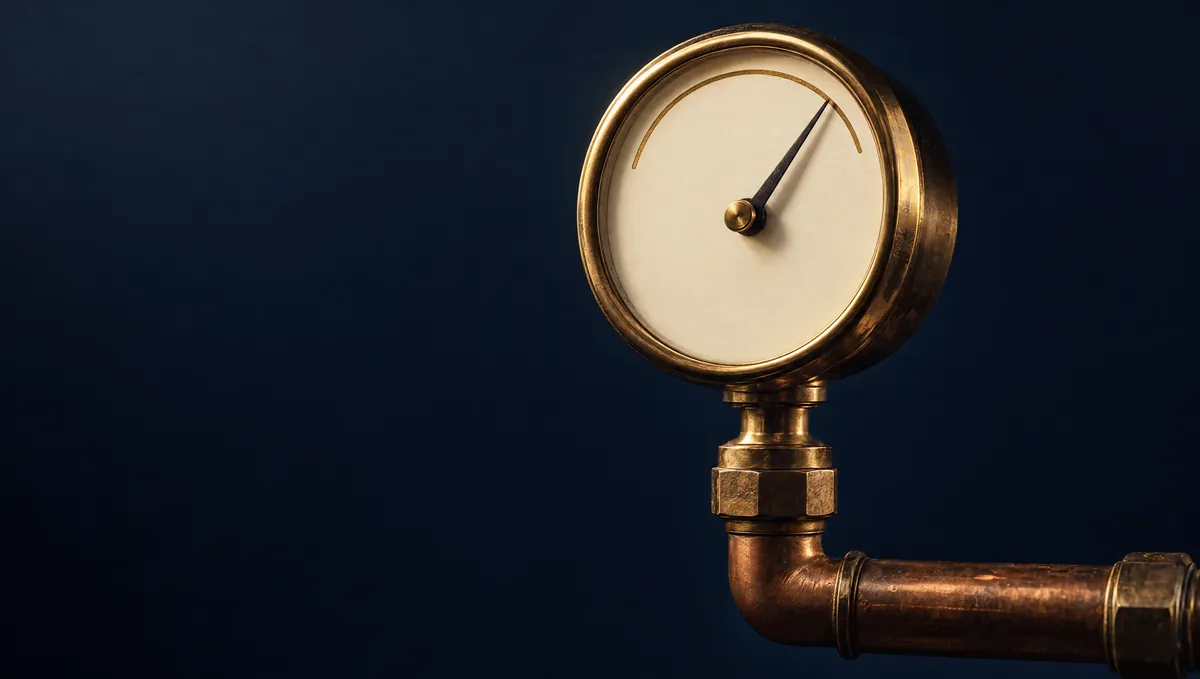
RBA Raises Cash Rate to 4.60%, Highest in 15 Years
The 25-basis-point move is the Reserve Bank of Australia's fourth rate rise this year.
Canberra, the RBA and the resources state, from Sydney at dawn.
The 25-basis-point move is the Reserve Bank of Australia's fourth rate rise this year.
Calling OpenAI and Anthropic's chiefs to a Senate inquiry is a useful first step. The harder test is whether governments make controllable deployment, not access to data centres, the price of operating at scale.
The two countries have signed a Statement of Intent linking defence science teams through experimentation, personnel exchanges and closer work with industry and universities.
Canberra's 10-year security agreement with Kyiv adds $60 million in support and a promise to deepen maritime, industrial and defence cooperation. Its value will be measured by what Australia can sustain after the headlines move on.
Treasury says deaths will outnumber births in the 2060s as fertility falls and migration slows. The answer is more homes, faster productivity and a migration system that rewards the work Australia actually needs.
The government is tightening student and working holiday visas to hit lower migration forecasts. The sensible test is whether the system produces homes, harvest workers and skills, not whether it creates another queue.
Michele Bullock says upside risks to inflation are materialising even as growth slows. The Reserve Bank now faces a choice between another rate rise and a longer inflation hangover.
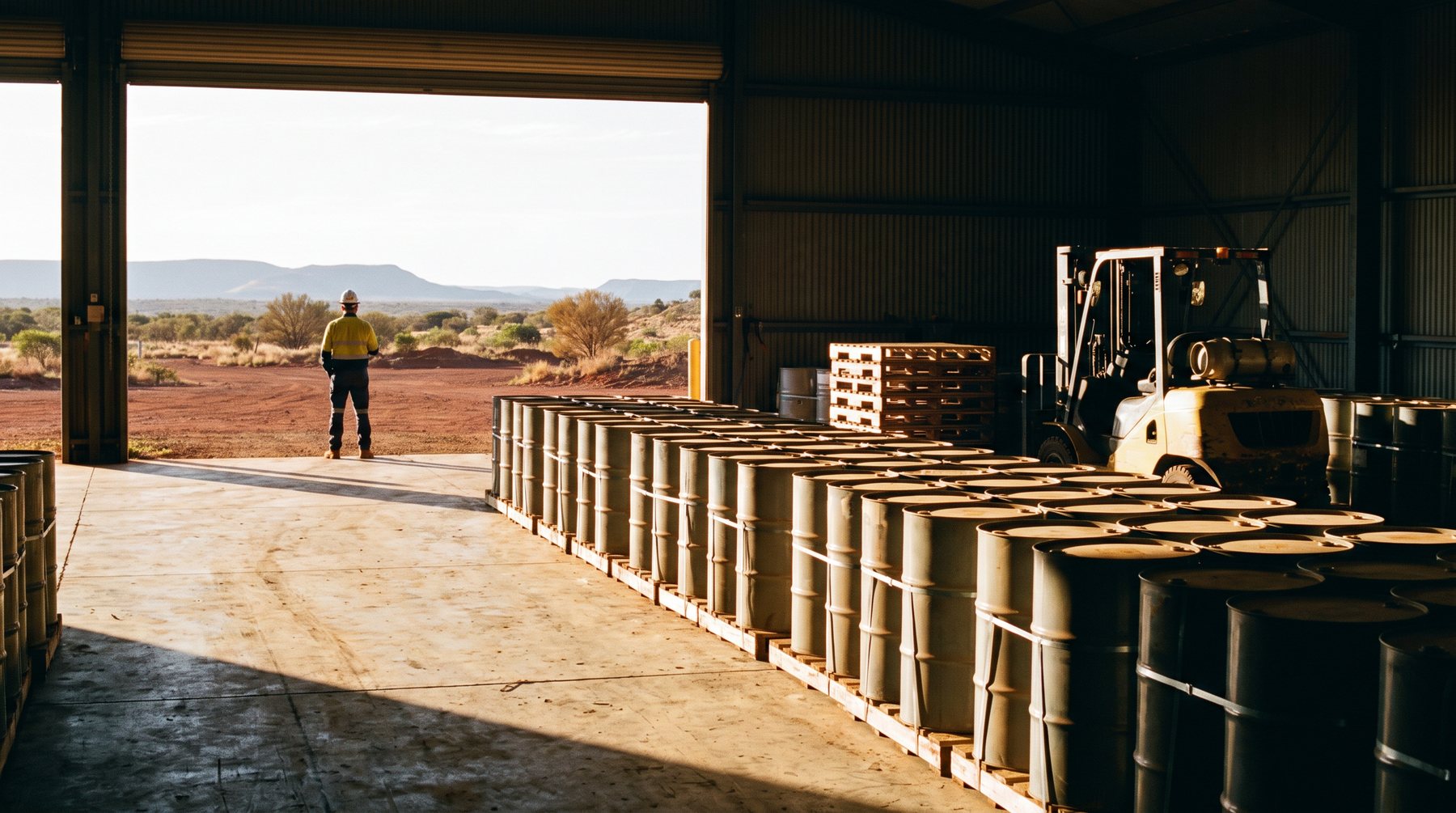
Canberra is prioritising stockpiles and supply contracts over another fuel-tax cut. That is the right instinct, but it leaves households exposed unless resilience becomes permanent.
A peer-reviewed study puts a price on coastal flooding under a moderate-emissions pathway. The useful response is not panic or denial, but a public balance sheet for adaptation.
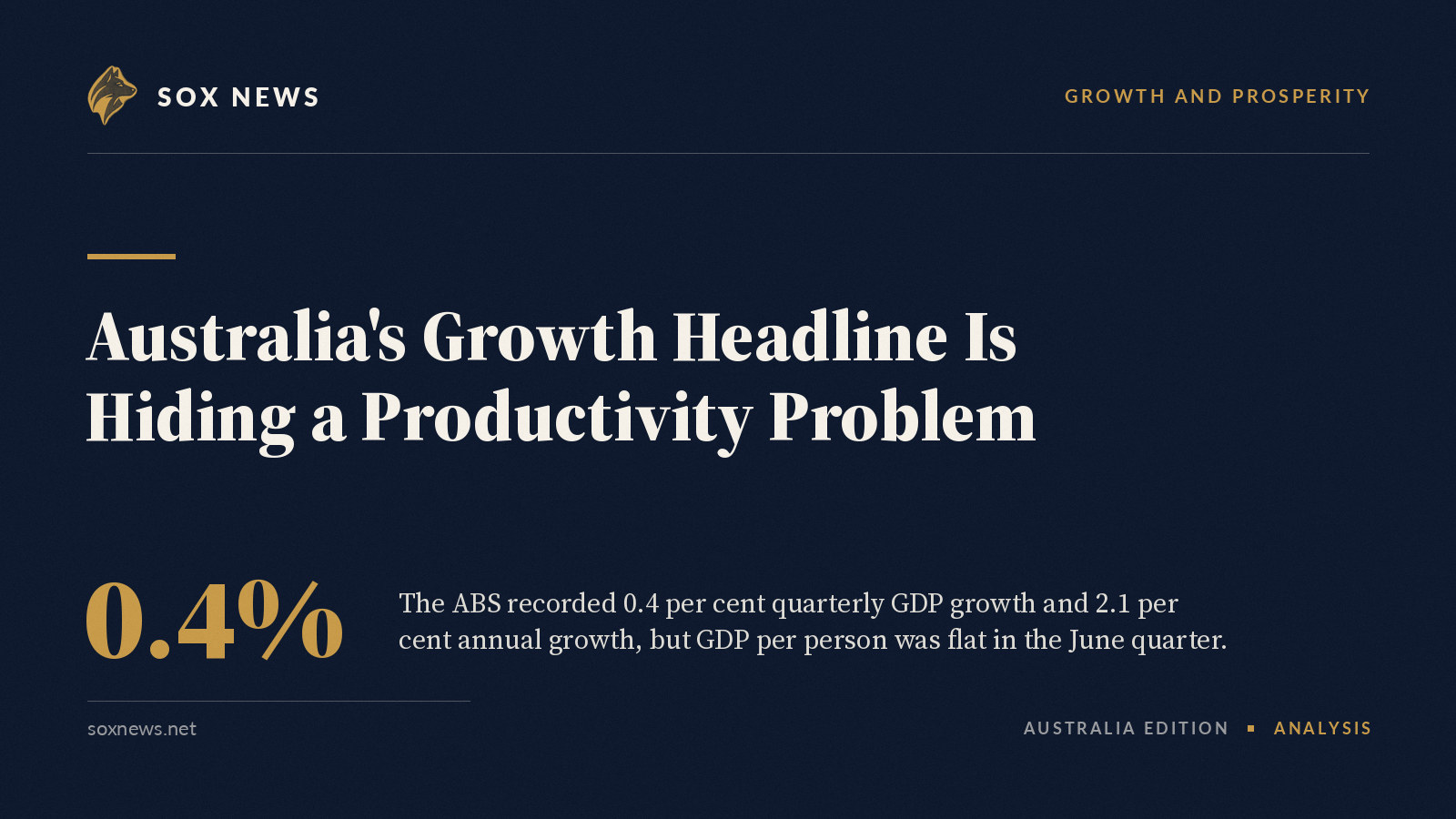
The economy grew 0.4 per cent in the June quarter, but GDP per person was flat and productivity remains weak. Australia cannot build lasting prosperity on a headline number alone.
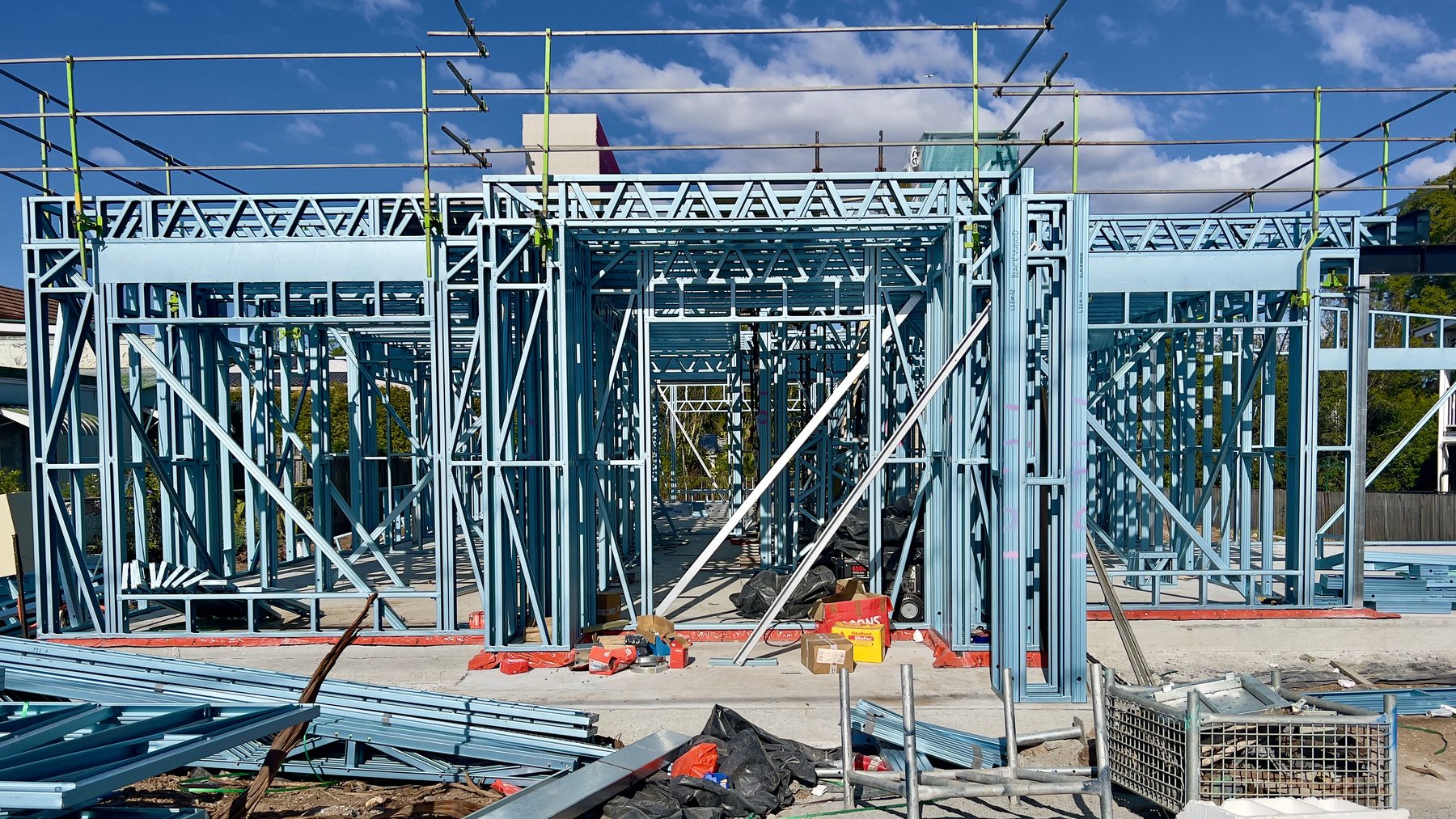
New data show dwelling approvals fell 3.6 per cent in July while Cotality recorded a fifth consecutive monthly fall in home values. The squeeze is reaching buyers, builders and households at once.
Minutes from the Reserve Bank's August meeting show a serious debate over another increase. The unanimous hold buys households time, while inflation, energy and data centre investment keep the next decision open.
Anthony Albanese has asked Donald Trump to remove a 12.5 per cent tariff. The request is sensible diplomacy, yet the durable answer is a more competitive Australia that can choose its markets rather than plead for favours.
The RBA has held the cash rate at 4.35 per cent, but households are still carrying a debt burden near its pre-crisis peak. The way out is not to wait for cheaper money. It is to let Australia build and compete.
Westpac says mortgage applications have fallen 20 per cent after Canberra's housing tax changes. The policy may redirect capital toward new homes, but Australia still has to build them.
Canberra is lifting the federal rooftop-solar incentive ceiling from 100 kW to 1 MW. The sensible part is the market mechanism. The real test is whether Australia lets businesses connect and build.
Canberra's temporary fuel relief has ended as Middle East risk keeps energy prices elevated. The bill now returns to drivers, businesses and every household that depends on transport.
Twelve years after signing, Canberra and New Delhi have finalised the rules to ship Australian uranium to India, and the deal is already fuelling calls to lift domestic mining bans.
A surprise June employment surge has revived bets on a fourth rate rise, leaving the Reserve Bank pinned between 4% inflation and a labour market that refuses to cool.