The Nuclear Renaissance Is the Free World Growth Story
From Georgia to Gloucestershire to Gladstone, reactors are back on the order books. The nations that build them fastest will own the next half-century of cheap, clean, sovereign power.

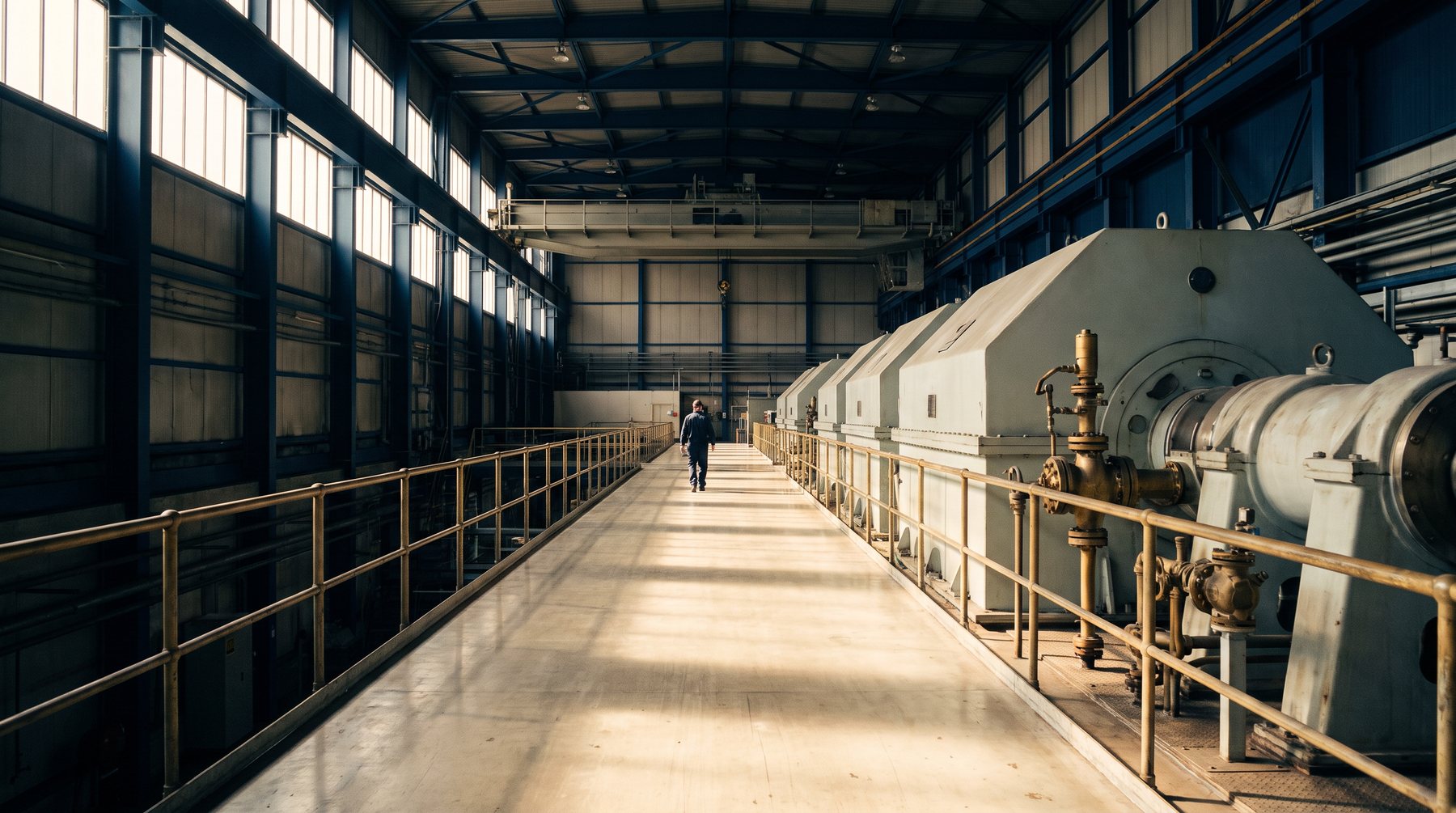
A quiet consensus is forming across the free world: the path to abundant, affordable, low-carbon energy runs through the reactor, not around it.
For two decades, nuclear was treated as a relic. Now, with electricity demand climbing and the limits of intermittent power laid bare, governments from Washington to Westminster to Canberra are rediscovering the case for the densest, most reliable energy source humanity has ever built.
The lesson for policymakers is simple: the right to build is the engine of prosperity.
From the analysisThe economics have shifted. Small modular reactors promise shorter build times and lower upfront costs, while a new generation of investors treats nuclear not as a liability but as infrastructure with a fifty-year return.
Energy security is national security, and no serious nation wants its grid held hostage to the weather or to hostile regimes.
The lesson for policymakers is simple: the right to build is the engine of prosperity. Clear the permitting thickets, price power honestly, and let the free market do what it does best.
The Semaform
Governments across the US, UK, and Australia are re-embracing nuclear power after two decades of treating it as a relic, citing rising electricity demand and the limits of intermittent renewables.
This is energy policy catching up to physics. Nuclear is the only source that combines abundance, reliability, and a small footprint, the free market should be racing to build it, not waiting on permission.
Sceptics note reactor construction has a long history of cost overruns and delays, and argue capital may be better spent scaling storage and grid flexibility for renewables instead.
A human editor is accountable for this analysis. Read our editorial standards, how we use AI, what the content labels mean, and how to ask for a correction.