The Longevity Diet That Let Mice Eat More and Still Lose Fat
A USC-led study suggests the amino acid you eat, not just how much protein, may be the real lever on healthspan, and the mice on the winning diet ate the most of all.

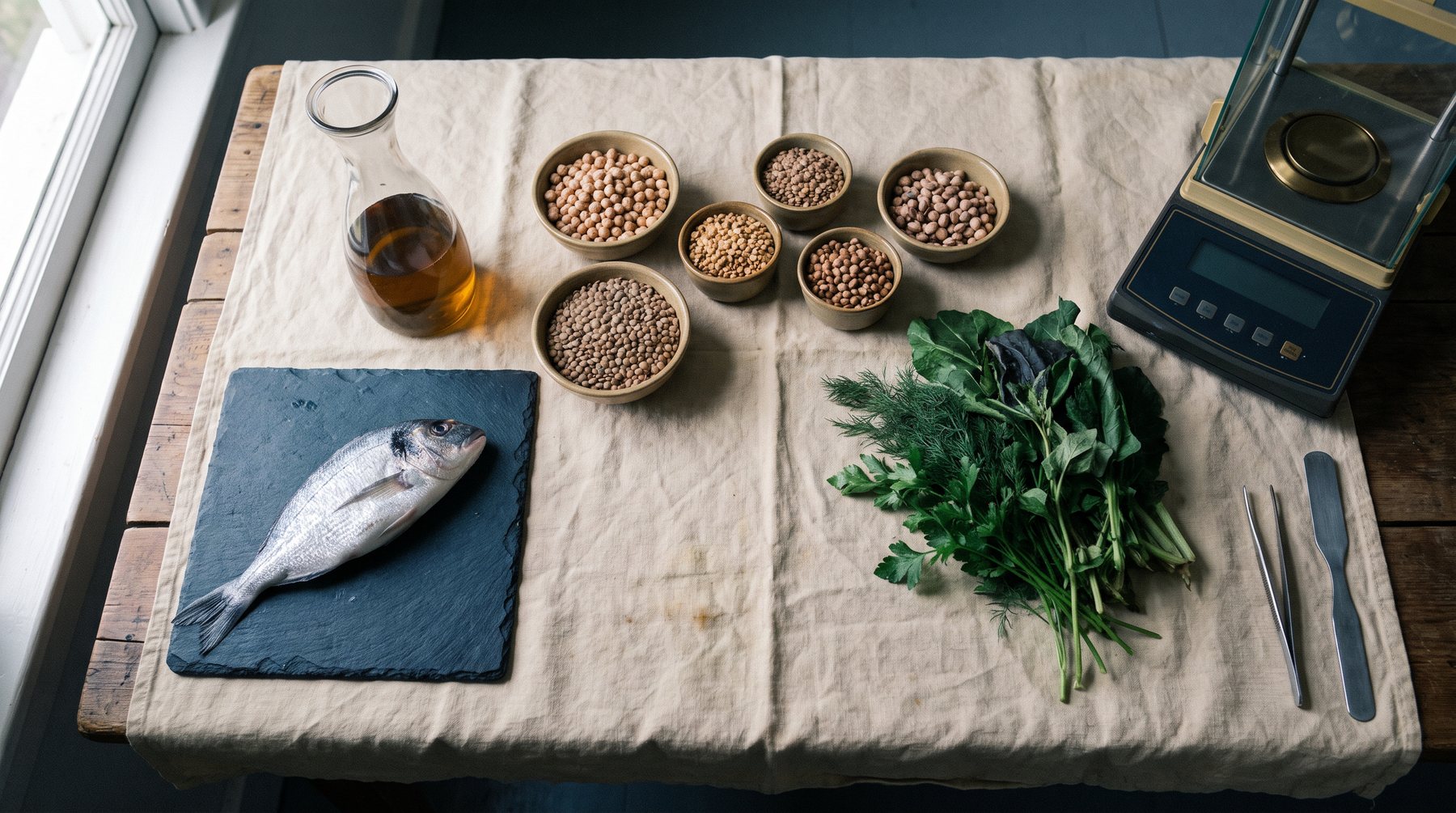
A study out of the University of Southern California is reframing one of the oldest questions in nutrition. As reported by ScienceDaily and published in the journal Cell Metabolism, researchers found that a modified Mediterranean-style diet, low in protein but supplemented with just enough of the amino acid methionine, helped older mice live healthier lives while shedding body fat and frailty.
The counterintuitive detail is what makes it compelling. According to the study, mice on the low-protein, methionine-supplemented 'longevity diet', begun at 20 months of age, consumed more food than any other group yet still lost body fat while preserving lean muscle, outperforming standard, Western and ketogenic diets on healthspan and frailty markers.
The appropriate caution is that mice are not men, and the authors themselves plan a controlled human clinical trial before drawing firm conclusions.
From the analysisThe mechanism points to metabolic signalling rather than simple calorie restriction. The researchers reported increased levels of GLP-1 and other molecules involved in regulating metabolism and ageing, the same hormonal pathway now famous from weight-loss medicines, achieved here through diet composition alone.
Crucially, dose mattered in both directions. Senior author Valter Longo of the USC Leonard Davis School of Gerontology was quoted noting that 'too little methionine caused frailty, but too much methionine abolished the benefits', and that 'amino acid composition, not just overall protein quantity, may be the target of strategic metabolic interventions'.
The human signal, while observational, is substantial. ScienceDaily reported that an analysis of dietary and health data from more than 200,000 people, conducted with the University of Toronto and Harvard, found that those consuming the most animal protein had higher obesity rates and were twice as likely to have Type 2 diabetes, differences that held even when they ate fewer calories overall.
For a vitality-minded reader, the practical takeaway is empowering rather than prescriptive: a mostly plant-and-fish diet, modelled on long-lived Italian and Okinawan populations, may extend the years lived in good health, and it is a choice individuals can make without waiting for a prescription or a policy.
The appropriate caution is that mice are not men, and the authors themselves plan a controlled human clinical trial before drawing firm conclusions. The researchers also disclosed commercial interests, including Longo's equity in a medical-foods company, a reminder to read even promising science with clear eyes.
The Semaform
A USC-led study in Cell Metabolism found a low-protein, methionine-supplemented Mediterranean-style diet improved healthspan and cut body fat in older mice, with human data on 200,000+ people linking high animal-protein intake to higher diabetes and obesity rates.
The most exciting frontier in vitality is not a mandate but a menu of choices individuals can make for themselves. This research points to personalised, composition-based nutrition, driven by private science and consumer freedom, as a path to more healthy years lived, without a single new regulation or ration.
Sceptics rightly note the headline results are in mice, the human data are observational and cannot prove causation, and the authors' commercial ties to a medical-foods company warrant careful, independent replication before anyone overhauls their diet.
A human editor is accountable for this analysis. Read our editorial standards, how we use AI, what the content labels mean, and how to ask for a correction.