The Supreme Court's Climate Case Tests the Reach of State Law
The justices heard arguments on federal preemption and their own jurisdiction. A ruling could shape dozens of local climate suits, but liability is not being decided today.

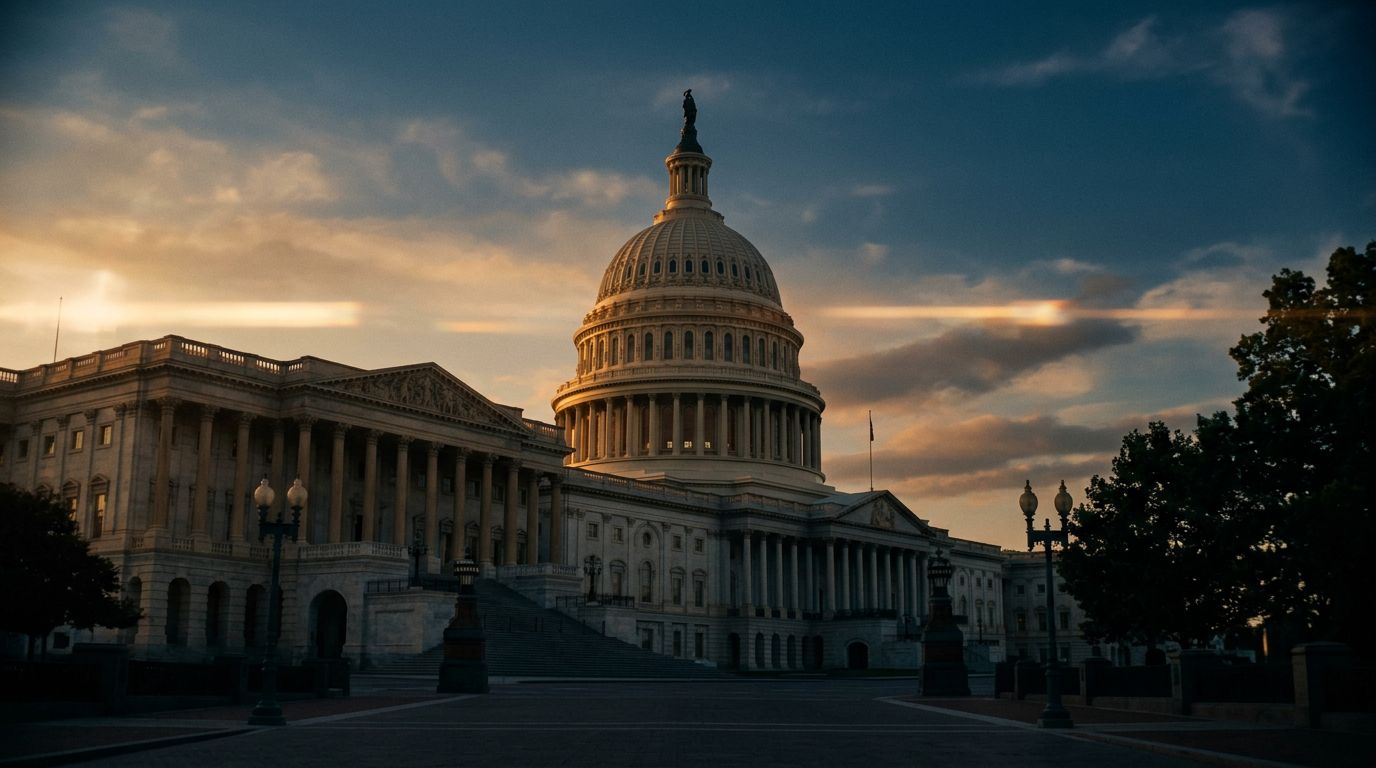
The Supreme Court opened its term Monday with arguments in Suncor Energy (U.S.A.) Inc. v. County Commissioners of Boulder County, docket 25-170. The court's questions are whether federal law precludes state-law claims for injuries allegedly caused by interstate and international greenhouse-gas emissions, and whether the Court has jurisdiction to hear the case.
Boulder County and the city sued Suncor and Exxon Mobil in 2018. They allege the companies misled the public about climate risks and seek compensation for local costs tied to drought, flooding and extreme heat. They are not asking for an order to cut emissions. Suncor and Exxon Mobil argue that Colorado cannot use state law to set rules for emissions produced beyond its borders, and that federal law preempts the suit.
A national energy market needs rules people can plan around, while towns should have a fair path to prove specific injuries.
From the analysisThe decision could affect dozens of similar local suits, the Associated Press reported. Chief Justice John Roberts questioned whether a win for Boulder would encourage municipalities across the country to file cases. The justices also pressed both sides on the sweep of their positions, as the city and companies debated the boundary between state law and federal emissions policy.
The justices are not weighing whether a particular flood or wildfire was caused by the companies. The question now is whether the case can proceed under state law, or whether federal law blocks it. No liability or damages have been determined.
A national energy market needs rules people can plan around, while towns should have a fair path to prove specific injuries. Congress should write a clear national standard for cross-border emissions and liability, and courts should apply it to evidence rather than turning every county line into a different rulebook. Reliable, affordable energy gives communities more room to adapt.
The Semaform
In Suncor Energy v. Boulder County, the Supreme Court heard arguments on whether federal law precludes state claims over climate-related injuries and whether the Court has jurisdiction.
A national energy market needs clear rules, while communities need a fair route to prove local harm. Congress should set any cross-border framework openly, and courts should apply it to evidence.
Boulder says its suit targets deceptive marketing and local damages under state law, not control of national emissions. Suncor and Exxon Mobil argue that federal law displaces the claims.
Sources
- U.S. Supreme Court, Docket No. 25-170, Suncor Energy v. County Commissioners of Boulder County
- U.S. Supreme Court, Questions Presented, No. 25-170
- Congressional Research Service, State-Law Climate Tort Suits and Suncor Energy v. Boulder County
- Associated Press via WSOC-TV, Supreme Court weighs local governments' climate change lawsuits against oil and gas companies, October 5, 2026
A human editor is accountable for this analysis. Read our editorial standards, how we use AI, what the content labels mean, and how to ask for a correction.